Poster Session II - ACUTE ISCHEMIC STROKE MANAGEMENT 01.00 - ACUTE ISCHEMIC STROKE MANAGEMENT - 01.03 - HYPERACUTE MANAGEMENT P667 - ESOC25-2238 DIAGNOSTIC ACCURACY OF POINT-OF-CARE VISCOELASTIC ASSESSMENT OF DIRECT ORAL ANTICOAGULATION IN ACUTE ISCHEMIC STROKE: INTERIM RESULTS FROM A PROSPECTIVE VALIDATION STUDY Annahita Sedghi 1 , Eva Meyer-Bender 1 , Lars Heubner 2 , Joerg Pietsch 3 , Oliver Tiebel 4 , Kristian Barlinn 1 , Jan Beyer-Westendorf 5 , Volker Puetz 1 , Peter Spieth 2 , Timo Siepmann 1 1 Dresden Neurovascular Center, Department of Neurology, Medical Faculty and University Hospital Carl Gustav Carus, TUD Dresden University of Technology, Dresden, Germany, 2 Department of Anesthesiology and Intensive Care Medicine, Medical Faculty and University Hospital Carl Gustav Carus, TUD Dresden University of Technology, Dresden, Germany, 3 Institute of Legal Medicine, Medical Faculty and University Hospital Carl Gustav Carus, TUD Dresden University of Technology, Dresden, Germany, 4 Institute of Clinical Chemistry, Medical Faculty and University Hospital Carl Gustav Carus, TUD Dresden University of Technology, Dresden, Germany, 5 Thrombosis Research Unit, Department of Medicine I, Medical Faculty and University Hospital Carl Gustav Carus, TUD Dresden University of Technology, Dresden, Germany Background and Aims: Intravenous thrombolysis in patients with acute ischemic stroke (AIS) is often delayed because of uncertainty about the presence of direct oral anticoagulants (DOACs)

Conclusion Collagen plays a crucial role in skin and connective tissue biology, and early evidence suggests that collagen peptides are generally well tolerated
These potent compounds offer a unique approach to refreshed skin and visible age management
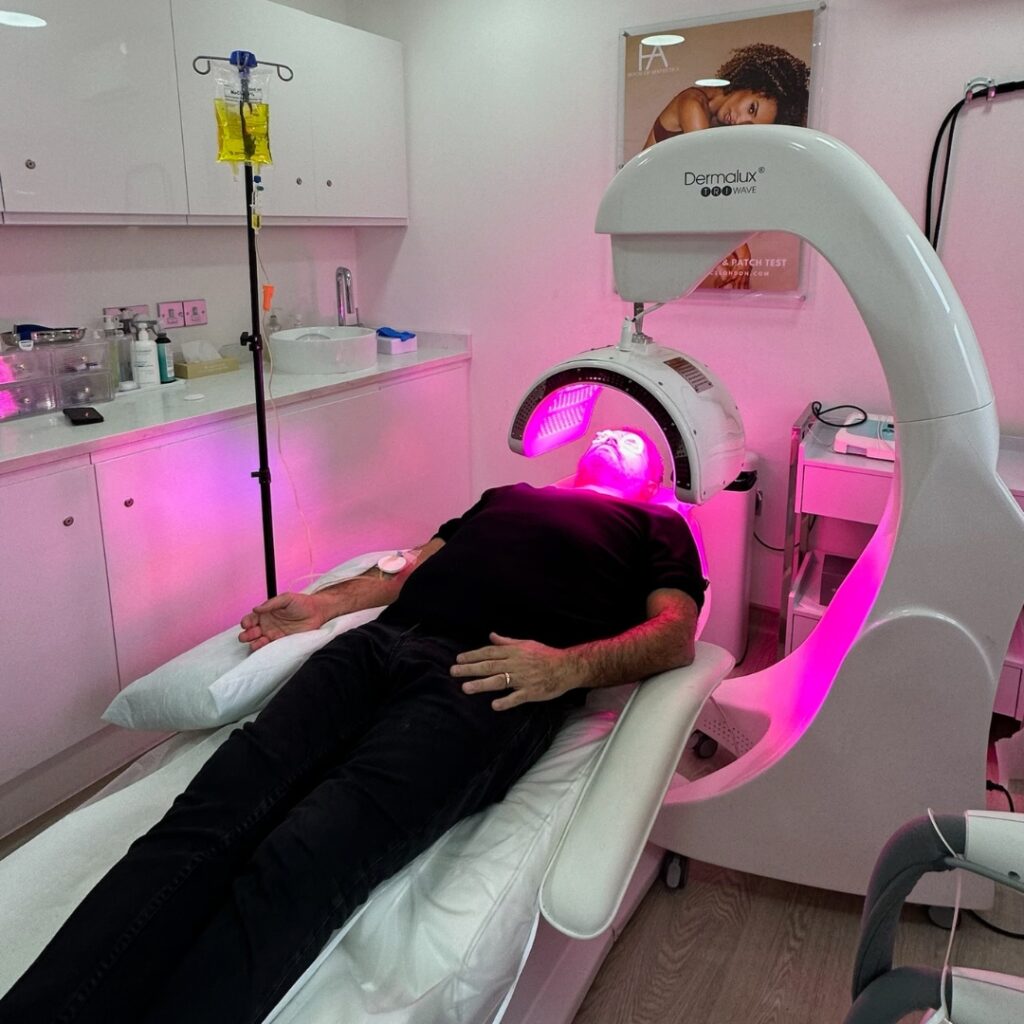
Clinics have also experimented with direct NAD+ IV infusions, although it is unclear whether this method of delivery has superior benefits over oral consumption of precursors





.png)