Easy to Use: Incorporating GHK-CU into your daily hair care routine is simple and hassle-free

Factors that may suggest an immune-mediated component and potential benefit from IVIG include: Clinical Features Rapid onset or progression of symptoms Non-length-dependent pattern (symptoms not limited to feet/hands) Associated autonomic symptoms Lack of other evident causes (diabetes, toxins, etc.) Family history of autoimmune disease Laboratory Findings Presence of autoantibodies (even non-specific ones) Elevated inflammatory markers Evidence of complement activation Abnormal immunoglobulin levels or patterns Diagnostic Test Results Skin biopsy showing inflammatory infiltrates along with reduced fiber density Abnormal autonomic testing consistent with SFN Normal or minimally abnormal nerve conduction studies (ruling out large fiber involvement) Response to Initial Therapies Inadequate response to standard neuropathic pain medications Partial response to corticosteroids or other immunosuppressants Temporal association with infections, vaccines, or immune stressors The IVIG Treatment Protocol For patients with refractory SFN who are deemed appropriate candidates, IVIG therapy typically follows a structured protocol: Dosing and Administration Initial treatment: 2 g/kg divided over 2-5 consecutive days Maintenance: 1 g/kg every 3-4 weeks Treatment duration: Initially 3-6 months with periodic reassessment The optimal duration of therapy remains somewhat individualized
Humane endpoints: Animals were euthanized if tumor volume exceeded 2000 mm, if tumors reached 10% of body weight, if body weight loss exceeded 2025%, or if signs of cachexia or severe distress were observed
Achieving a stable, healthy weight before procedures like abdominoplasty or liposuction can improve surgical outcomes, reduce complications, and lead to more predictable results
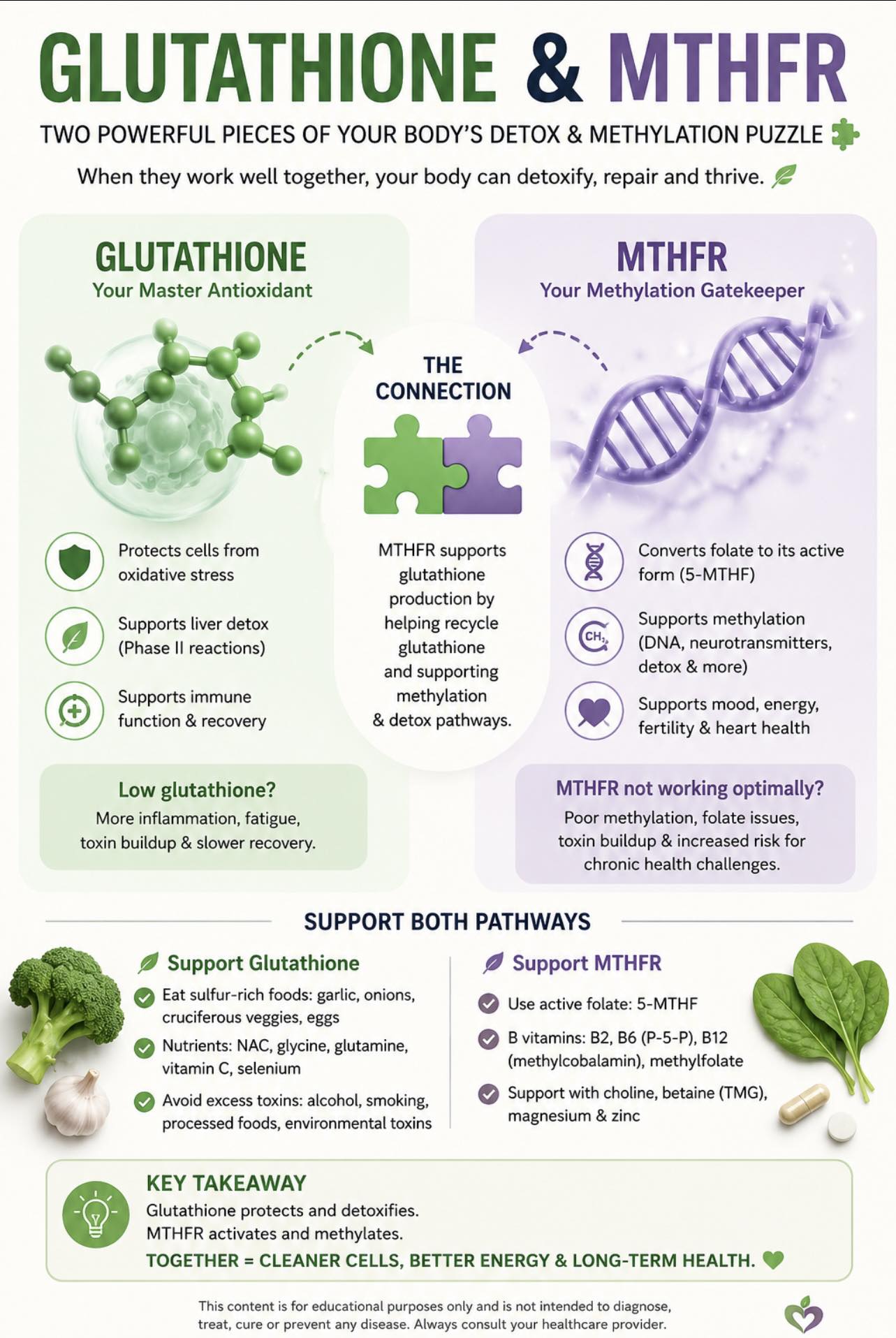
:max_bytes(150000):strip_icc()/benefits-of-glutathione-89457_final-01-502464fe91b2444285b0cccf8cb0a33c.png)