TMA Precursors Betaine Also called trimethyl-glycine due to its three methyl groups Found in abundance in beets, spinach, cashews, mushrooms, whole grains, all-bran cereal, wheat flour, pasta, oat bran, liver, soy sauce, shrimp, Atlantic cod, tilapia, and soy sauce Required for methylation of homocysteine to methionine Carnitine Found in abundance in red meat ham, chicken liver, turkey, lamb, and goat cheese Current intake of 2 to 12 mol/kg/day or 22.7 to 136.1 mg/day for a 70 kg person should be adequate without further supplementation Produced endogenously from lysine and methionine Supplementation is not recommended unless indicated Required for the transport of long-chain fatty acids into the cell for mitochondrial energy generation Is easily converted to TMA by gut microbiota Choline Found in abundance in egg yolks (contains mainly the more favorable phosphatidylcholine), liver, whole milk, chicken meat and skin, sausage, Atlantic cod, tilapia, broccoli, tomato paste, cashews, hazelnuts, macadamias, pistachios, kidney beans, peanut butter, wheat bread, all-bran cereal, soy milk, and soy sauce Choline bitartrate seems to raise TMAO levels and urinary excretion, but not phosphatidylcholine Recommended intake is 7 mg/kg/day for most adults Can be produced endogenously Essential to cell membranes Vital to neurological health Required for acetylcholine production Ergothioneine Found in meats, liver, kidney, mushrooms, and beans Gamma-butyrobetaine Found in red meat Reference Tacconi, Edoardo et al
Glutathione supplementation can also be considered in resistant or recurrent melasma as part of adjunctive therapy
For a small biotech, that is an appealing path
The diagnosis is most common in adults and occurs when the body no longer produces enough of the blood sugar-regulating hormone, insulin, or is no longer able to use the insulin the body produces properly

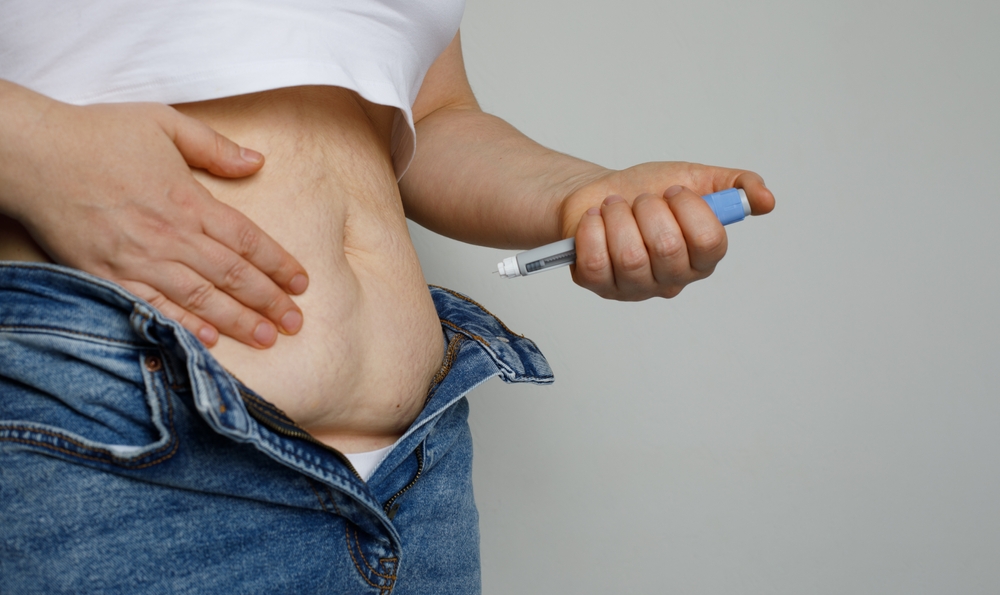


:max_bytes(150000):strip_icc()/Health-GLP1-pill-vs-shot-137cf589ddca421bb0aef5c5d7aec64a.png)