sustained growth-hormone-axis stimulation also carries a theoretical, class-wide concern for worsened insulin resistance, a recognized effect of excess growth hormone exposure generally Evidence snapshot: The strongest available evidence is a small 1997 randomized, placebo-controlled human trial (19 adults aged 55-71) testing a closely related GHRH(1-29) analog over 16 weeks, which found increased IGF-1 in both sexes, a significant lean-mass increase in men only, and increased skin thickness in both sexes
McGuire BM, Zupanets IA, Lowe ME, et al
Fatigue, irritability, brain fog, and low motivation are often seen as just stress or burnout. But in many cases, these symptoms may point to something deeper: a hormonal imbalance that affects how you think, feel, and function every day
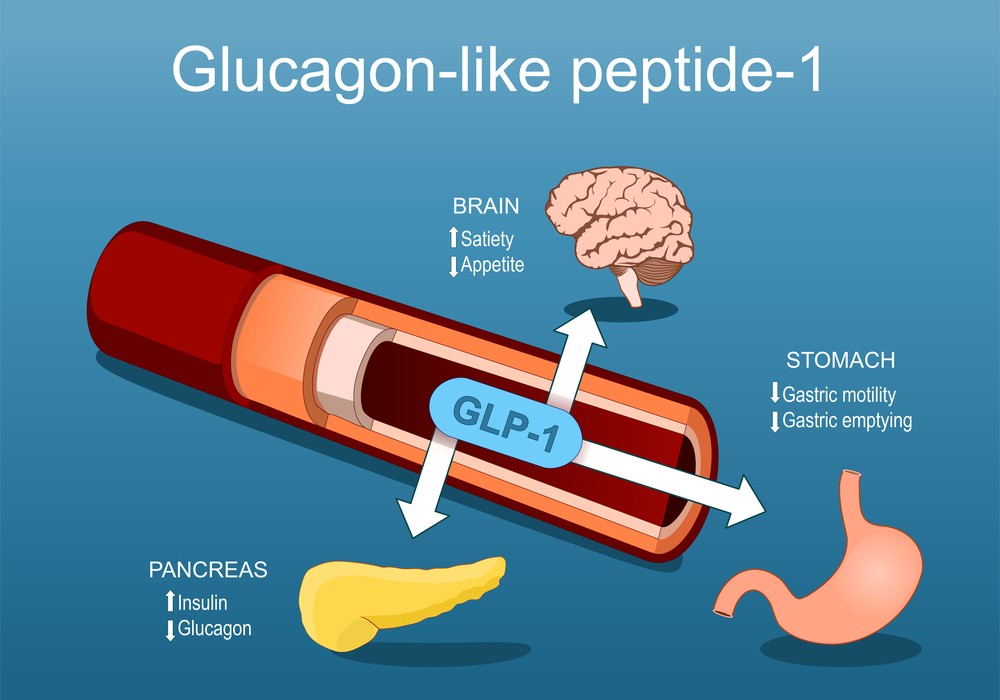
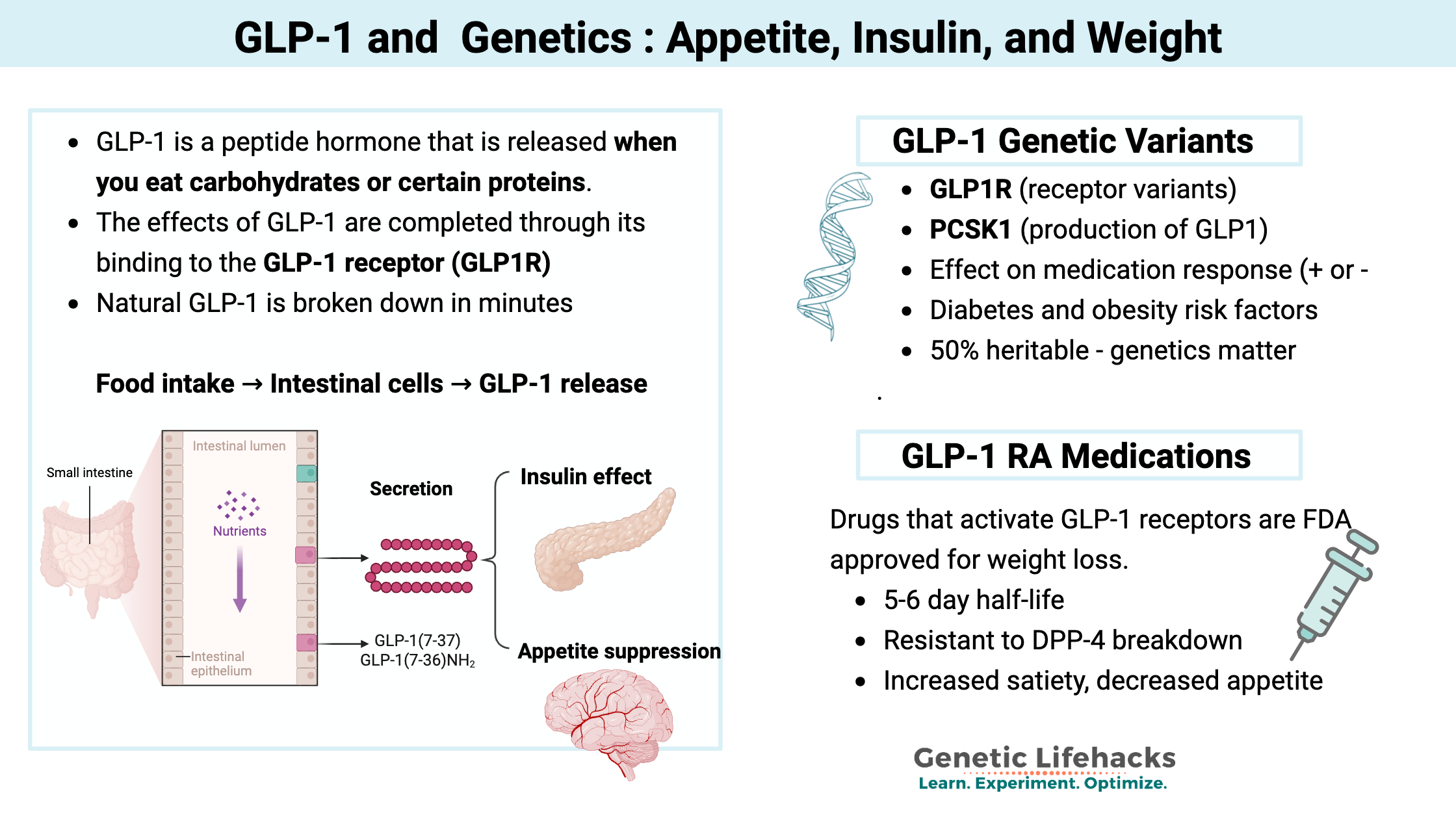
Important context: The cardiovascular benefit appeared to be independent of how much weight participants lost, suggesting GLP-1s may act on the heart through pathways beyond weight reduction alone