A drug nomogram was developed in 1975, which estimated the risk of toxicity based on the serum concentration of paracetamol at a given number of hours after ingestion.[43] To determine the risk of potential hepatotoxicity, the paracetamol level is traced along the standard nomogram
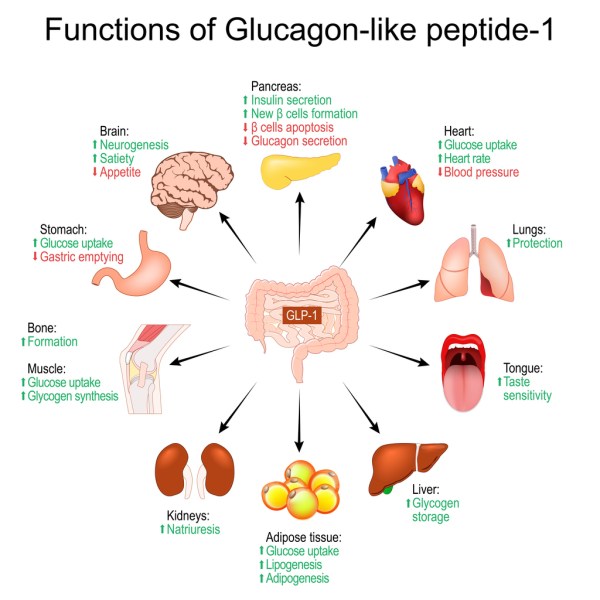
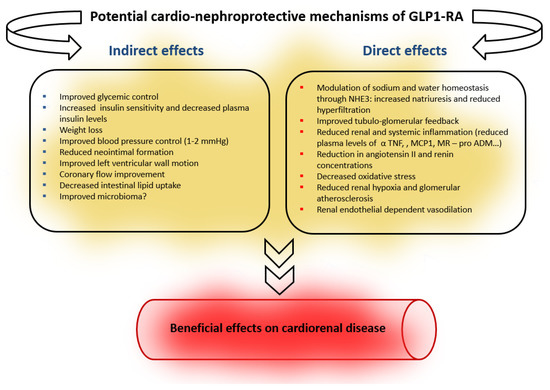
I am not prone to hyperbole, he says, but I think the clinical utility of these (GLP-1) medicines has really surpassed everyone's expectations, and a lot of the really interesting things we're seeing in people today which are largely beneficial, were predicted by basic science discoveries in the lab and by a decade or more of clinical trials. Dr
Cagrilintide adds a separate fullness signal that retatrutide does not hit on its own
Trends May Be More Informative Than One Reading Comparing results obtained under similar conditions can help show whether: Kidney function remains stable Electrolytes are changing A1C and glucose are improving Triglycerides and cholesterol are responding Iron or vitamin status is declining Liver-related markers are improving or worsening Test Conditions Matter Results may vary because of: Fasting or recent meals Hydration Vomiting or diarrhea Recent strenuous exercise Alcohol intake Acute illness or inflammation Supplements, including biotin Other prescription medications Menstruation or pregnancy Age, sex, muscle mass, and recent weight change Differences in laboratory methods Do not stop, reduce, or increase a GLP-1 medication or another prescription drug based solely on direct-access laboratory results


.png)