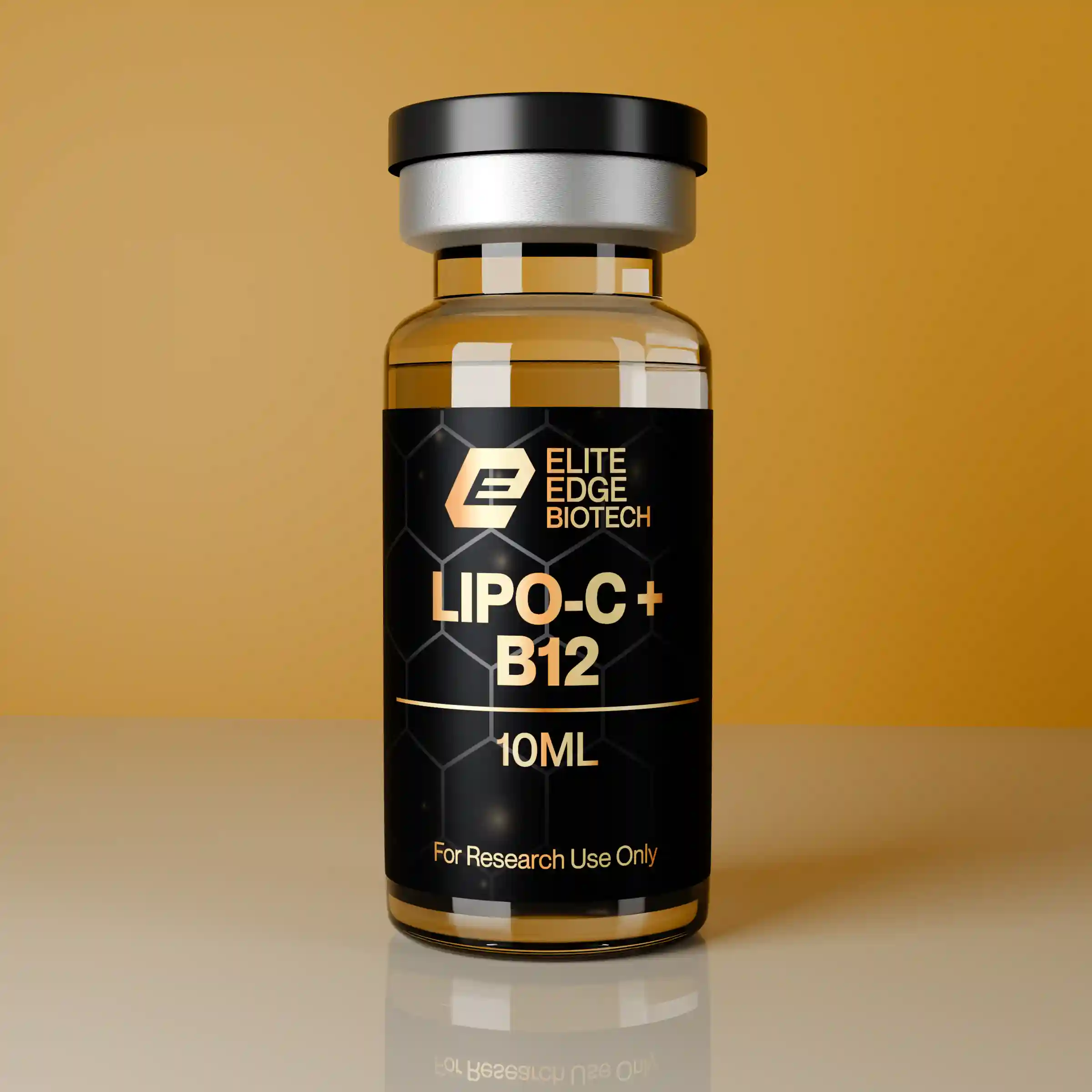
In their warning statement, the FDA said taking compounded GLP-1 drugs can be risky for patients because these drugs are not evaluated by the FDA for safety, effectiveness, and quality
Microdosing GLP-1 means using doses significantly below the approved therapeutic range, but this practice lacks clinical trial evidence and is not approved by the MHRA
Clinicians should adopt an individualized approach, considering patient-specific factors such as age, reproductive plans, comorbidities, and tolerance

Who This Cluster Is For People seeking long-term metabolic stability , not temporary appetite suppression Individuals using GLP-1 medications who want durable outcomes Anyone struggling with cravings, stress eating, or appetite swings Those with gut issues, inflammation, fatigue, or metabolic slowdown Readers looking for science-driven, microbiome-based insight How to Navigate This Cluster Start with Blog 1 understand GLP-1 biology Continue with Blogs 24 learn how diet, microbes, stress, and rhythms interact Finish with Blog 5 integrate everything into a complete metabolic blueprint Revisit as needed each article stands alone Why GLP-1 Outcomes Improve When the Microbiome Is Repaired GLP-1 medications suppress appetite, but they do not correct: dysbiosis impaired SCFA production circadian disruption gut-barrier inflammation stress-driven appetite loops When microbiome function is restored, GLP-1 sensitivity improves , SCFA pathways activate, cravings stabilize, and metabolic flexibility returns