He is an inventor on over 50 patents and has received more than 35 awards and honors including the CSL Prize, The Australian Commonwealth Prize, Thompson Prize, Helen Hay Whitney Postdoctoral Award, Charles Hood Fellowship, Leukemia Society Fellowship, Ludwig Scholarship, Harvard-Armenise Fellowship, American Association for Aging Research Fellowship, Nathan Shock Award from the National Institutes of Health, Ellison Medical Foundation Junior and Senior Scholar Awards, Merck Prize, Genzyme Outstanding Achievement in Biomedical Science Award, Bio-Innovator Award, David Murdock-Dole Lectureship, Fisher Honorary Lectureship, Les Lazarus Lectureship, Australian Medical Research Medal, The Frontiers in Aging and Regeneration Award, Top 100 Australian Innovators, and TIME magazines list of The Top 50 in Healthcare and the 100 Most Influential People in the World. News from the Lab The Sinclair lab was the first to identify a role for NAD+ biosynthesis in regulation of lifespan, that sirtuins activated by CR in mammals (A Unified Theory of Caloric Restriction, 2005), the identification of small molecules that activate SIRT1 such as resveratrol, how organisms appear to have evolved to sense plant stress and declining food supply by having plant stress metabolites such as polyphenols activate longevity defenses (The Xenohormesis Hypothesis, 2006), that relocalization of epigenetic factors such as SIRT1 in response to DNA breaks may be a cause of aging (The RCM Hypothesis of Aging, 2008), how miscommunication between the mitochondrial and nuclear genomes is a cause of age-related physiological decline (The Mitochondrial Oasis Hypothesis, 2009), and the idea that epigenetic changes causing cells to lose their identify are a main cause of aging and this is a reversible process (The Information Theory of Aging, 2019).

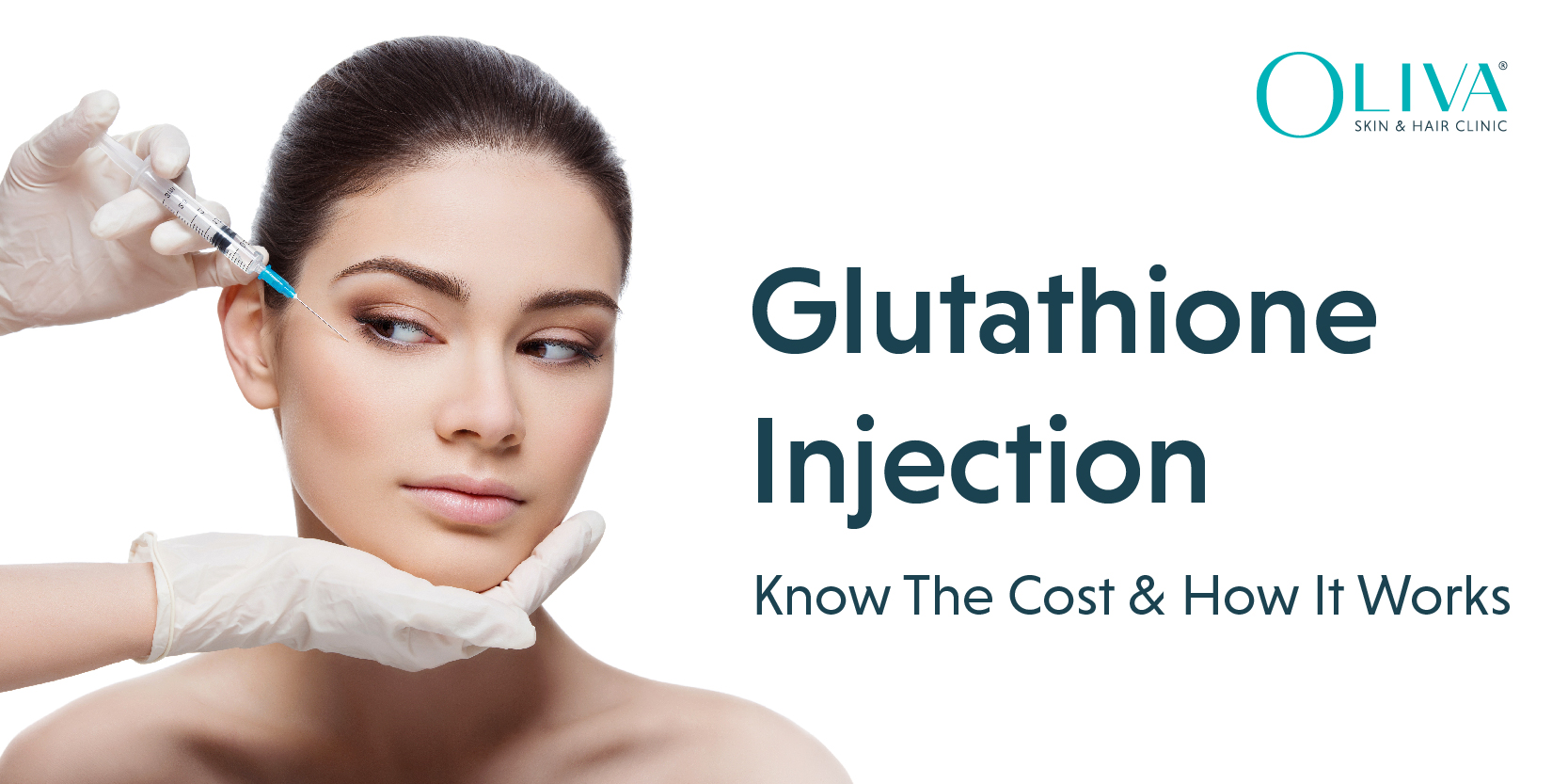
Glutathione lip mesotherapy involves injecting small amounts of Glutathione directly into the lip tissue, which helps reduce pigmentation from within
Presumably, newly synthesized S is at a low concentration during the early stages of infection and therefore efficiently retrieved by the coatomer for incorporation into virions
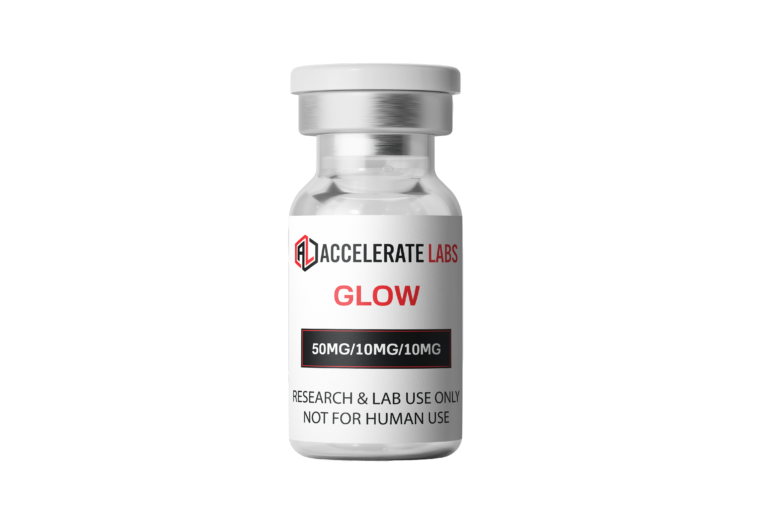
The material supplied here is research-grade for in vitro laboratory study only