How to Talk with Your Healthcare Professional About Menopausal Anxiety Whether youre seeing your usual healthcare professional or meeting with a Midi clinician for the first time, it helps to come prepared to discuss the following: your specific anxiety symptoms and triggers when they began and how frequently they occur (if, like most midlife women who still get their period, your anxiety symptomsincluding irritability, anger, and overwhelmtend to flare just before your menstrual cycle starts, you might be a candidate for birth control pills, which work similarly to HRT when it comes to easing anxiety) other perimenopausal or menopausal symptoms treatments youve already tried your general medical history, as well as your history of mental health concerns (for instance, have you experienced severe PMS, postpartum anxiety or depression, or anxiety or depression that seemed unrelated to hormonal changes?) With these details, your healthcare professional should ask questions and possibly order tests to rule out thyroid disease, anemia, and other conditions that can masquerade as or worsen menopausal anxiety, and they can work with you to determine the best way forward
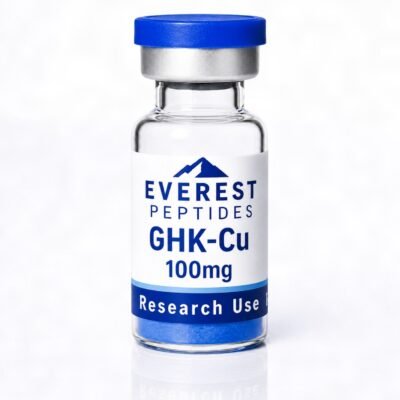
BPC-157 Description BPC-157 is a synthetic 15-amino acid peptide derived from a protective protein found in human gastric juice
Use only within controlled laboratory environments by qualified researchers
MS treatment should be managed by a neurologist







.png)