This approach eliminates M.tb through mechanisms that bypass the pathways commonly targeted by conventional anti-TB drugs, thereby reducing the risk of developing antibiotic resistance [5, 7]
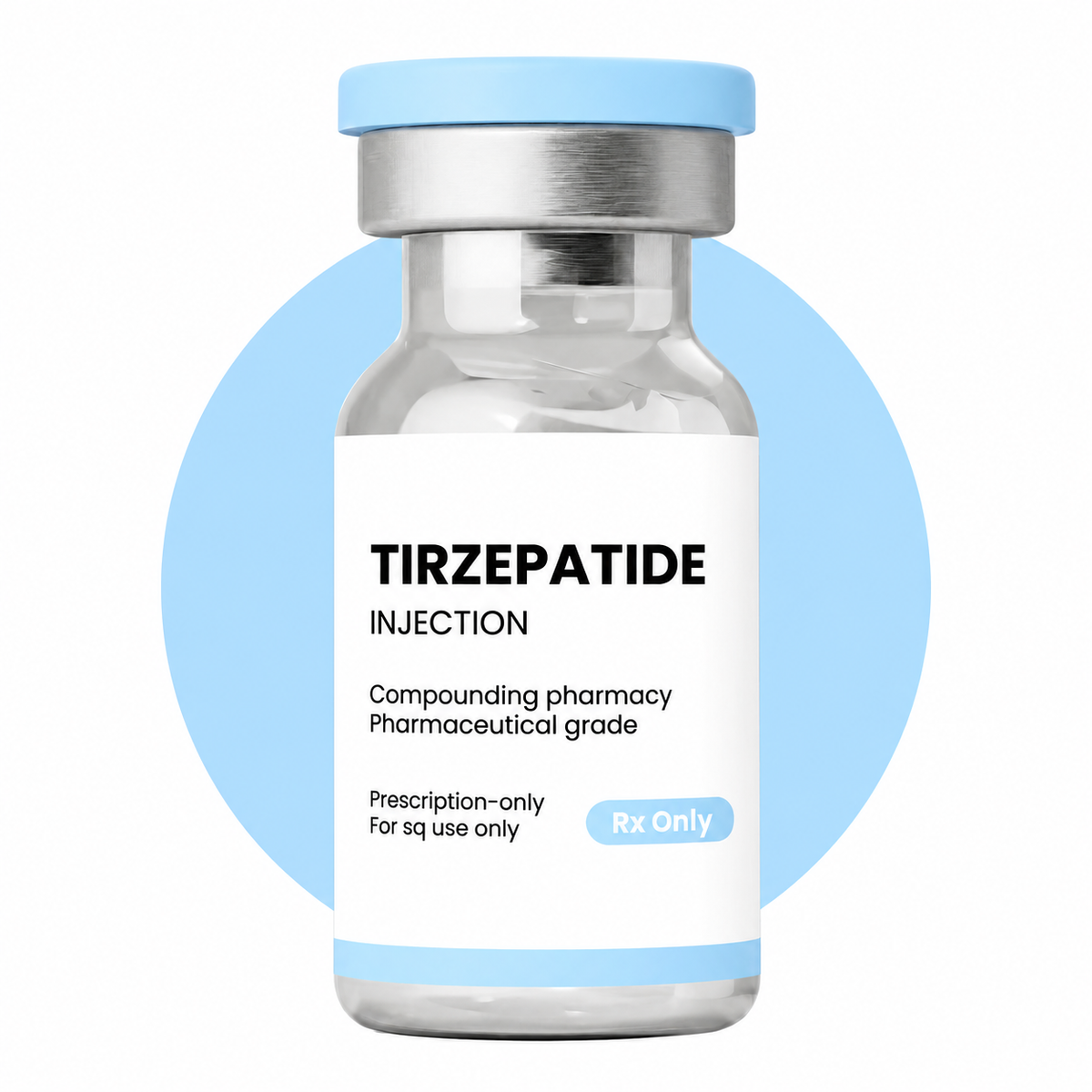
Executive Vice President & President, Lilly Cardiometabolic Health, Eli Lilly and Company Why this matters 1 Triple agonist = next-gen metabolic therapy Mimics GLP-1, GIP, and glucagon multi-pathway metabolic control 2 Diabetes + obesity convergence Simultaneous A1C + weight control = major unmet need solved 3 Competitive landscape shift Raises the bar vs GLP-1 mono & dual incretin therapies 4 No plateau signal is critical Suggests longer-term sustained efficacy Safety profile (expected class effects) Nausea, diarrhea, vomiting (dose-escalation phase) Discontinuation rates relatively low (25%) My takeaway 1 Metabolic disease treatment is entering multi-hormone era 2 Obesity + diabetes becoming one therapeutic category 3 Efficacy approaching bariatric-level outcomes 4 Sets new benchmark for Novo Nordisk and competitors Bottom line: Retatrutide isnt just competing Its redefining how we treat metabolic disease at the systems level #Diabetes #Obesity #GLP1 #Biotech #ClinicalTrials #Pharma #Innovation To view or add a comment, sign in 2,687 followers
By activating these receptors, semaglutide can exert multiple effects: Insulin Secretion : When semaglutide binds to GLP-1 receptors in the pancreas, it promotes the secretion of insulin
Of these, semaglutide was evaluated in 15 trials (23 treatment arms