Hyperuricemia reduces neutrophil function

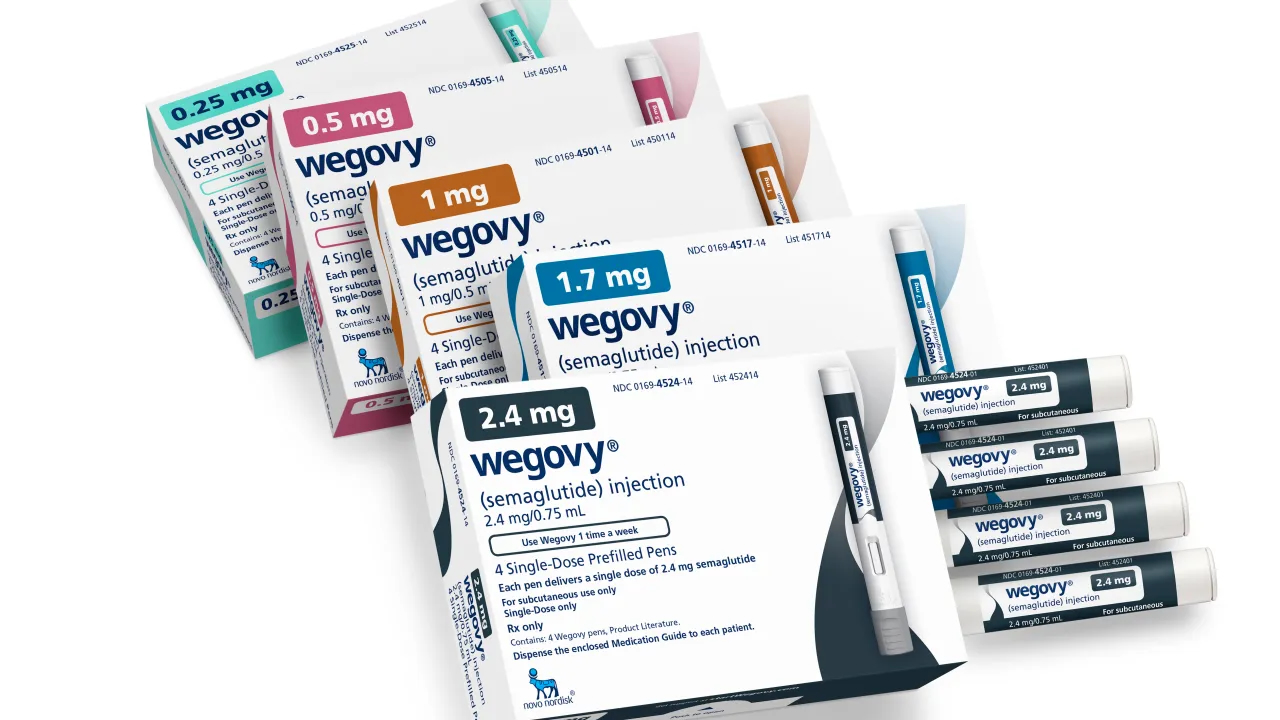
What clinicians consider when advising against GLP-1 use during breastfeeding Lack of large, controlled lactation safety trials Unknown effects on infant growth or neurodevelopment Uncertainty about effects on milk supply or composition Elective nature of GLP-1 therapy for weight loss Availability of safer alternatives after breastfeeding ends Why FDA and medical guidance remains cautious FDA and specialty guidance emphasize caution during breastfeeding for several consistent reasons: Insufficient data: FDA labeling states there are inadequate data on GLP-1 medication effects in breastfed infants.,, Milk supply unknowns: It is not known whether GLP-1 medications affect milk supply (volume) or milk composition., Infant vulnerability: Early infancy is a sensitive developmental period, increasing caution when medication effects are unknown. Elective vs essential use: For weight management, potential maternal benefit often does not outweigh theoretical infant risk.,, Do semaglutide and tirzepatide pass into breast milk

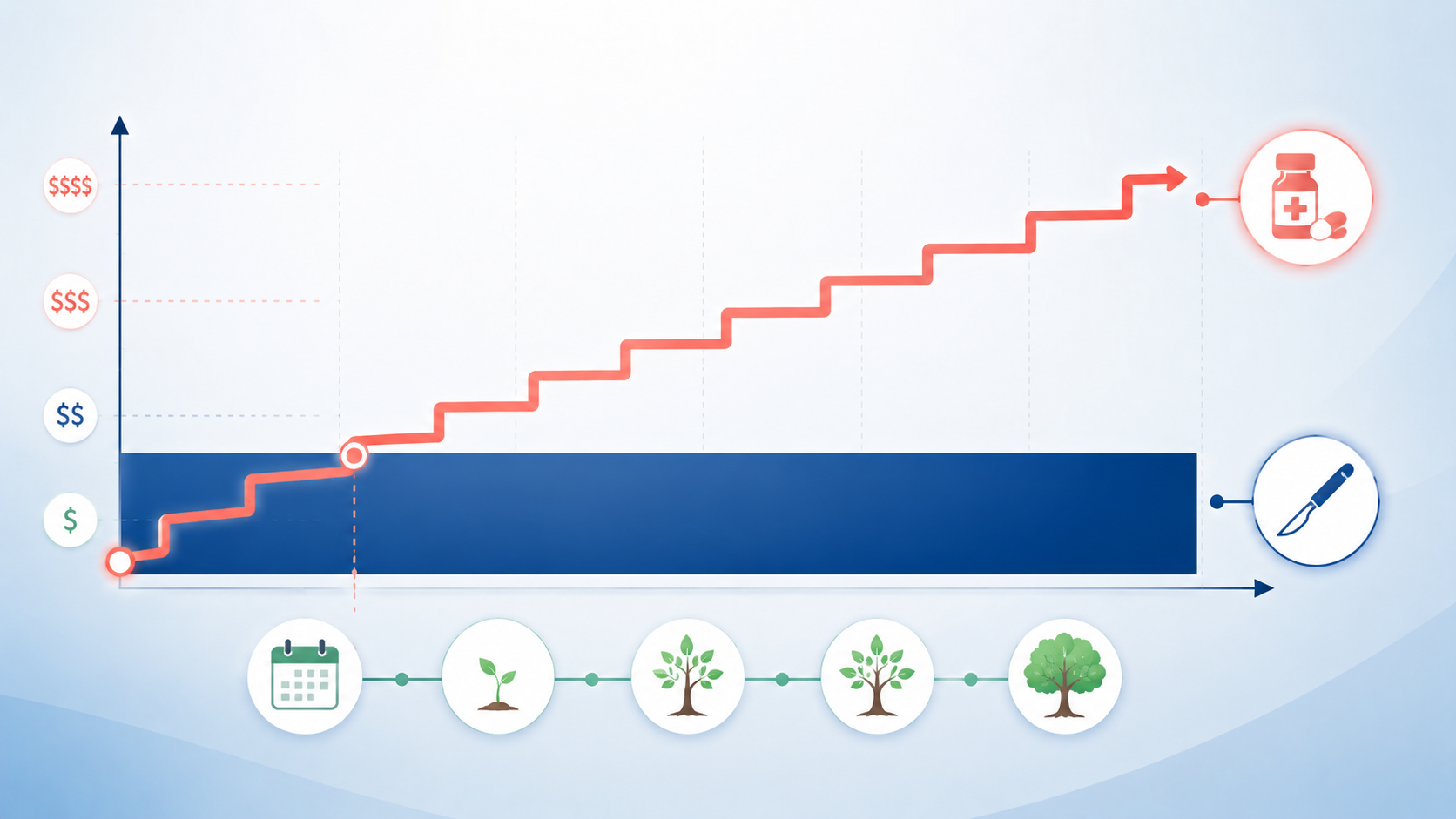
PhRMA, the industry trade group, argues MFN-style foreign reference pricing would reduce investment and limit access: Importing foreign prices from socialist countries would be a bad deal for American patients and workers, said its CEO Stephen J
Lawyers typically assess damages by reviewing medical records, billing, prognosis, and how the condition changed a persons daily function over time