A drinking-in-the-dark procedure was used to test the effects of semaglutide on binge-like drinking in male and female mice
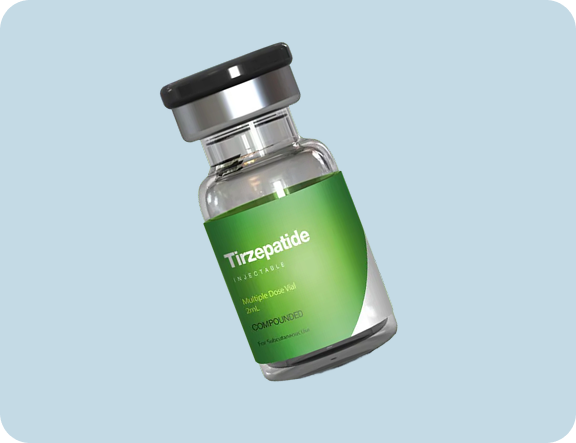
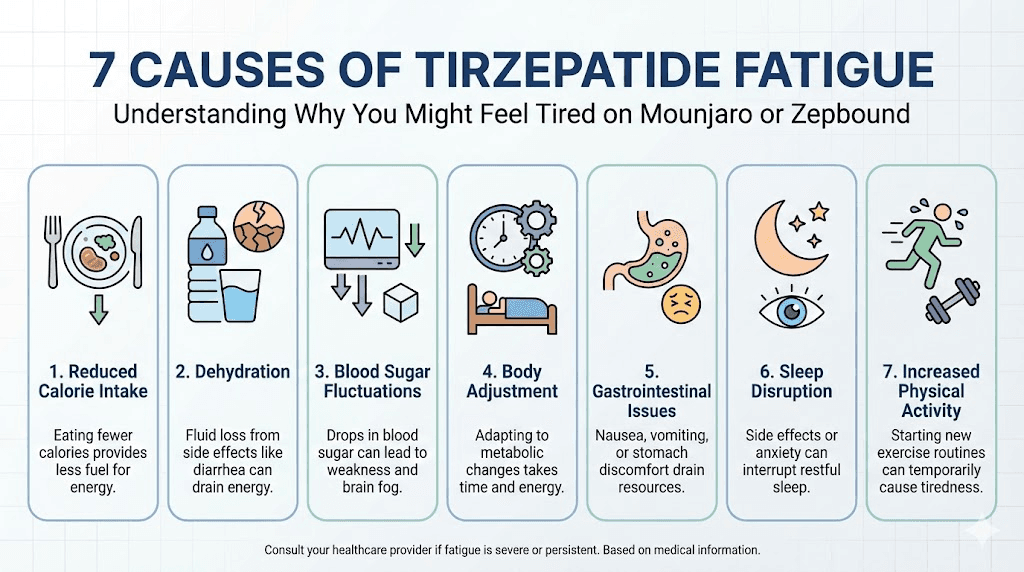
As their use becomes increasingly widespread thanks to high-profile drugs like semaglutide (Ozempic, Wegovy) and tirzepatide (Mounjaro, Zepbound), questions about their long-term safety, efficacy and impact on body composition remain at the forefront
Both categories play crucial roles in managing type 2 diabetes by utilizing GLP-1s natural mechanisms, offering comprehensive benefits beyond simple glucose control, including weight management and cardiovascular protection

Why Clinics Should Consider Offering GLP-1 Injections For clinics seeking to expand their treatment offerings, GLP-1 injections represent a valuable addition: Evidence-based treatment: Supported by extensive clinical trials and real-world evidence for FDA-approved products Growing patient demand: Increased patient awareness and interest in these treatments Comprehensive approach: Addresses multiple aspects of metabolic health simultaneously Adaptable protocols: Can be integrated into existing diabetes or weight management programs Practice differentiation: Positions your clinic at the forefront of metabolic health innovation Patient retention: Provides ongoing treatment opportunities as patients typically continue therapy long-term Consistent follow-up care: Creates structured appointment schedules for monitoring and adjustments Implementation Considerations for Clinics When integrating GLP-1 injections into your clinical practice: Establish Comprehensive Patient Education Protocols Develop standardized educational materials: Create visual aids, videos, and written materials explaining GLP-1 mechanism of action, expected benefits, potential side effects, and proper self-administration techniques










.png)