This peptide is supplied exclusively for research purposes and is not approved as a medicine, supplement, or therapeutic product
Myth: Results are permanent Fact: Maintenance sessions are needed Myth: Completely safe for everyone Fact: Not suitable for certain medical conditions Myth: Works instantly Fact: Takes weeks of consistent treatment It is generally safe when administered by a qualified medical professional, but risks exist if misused
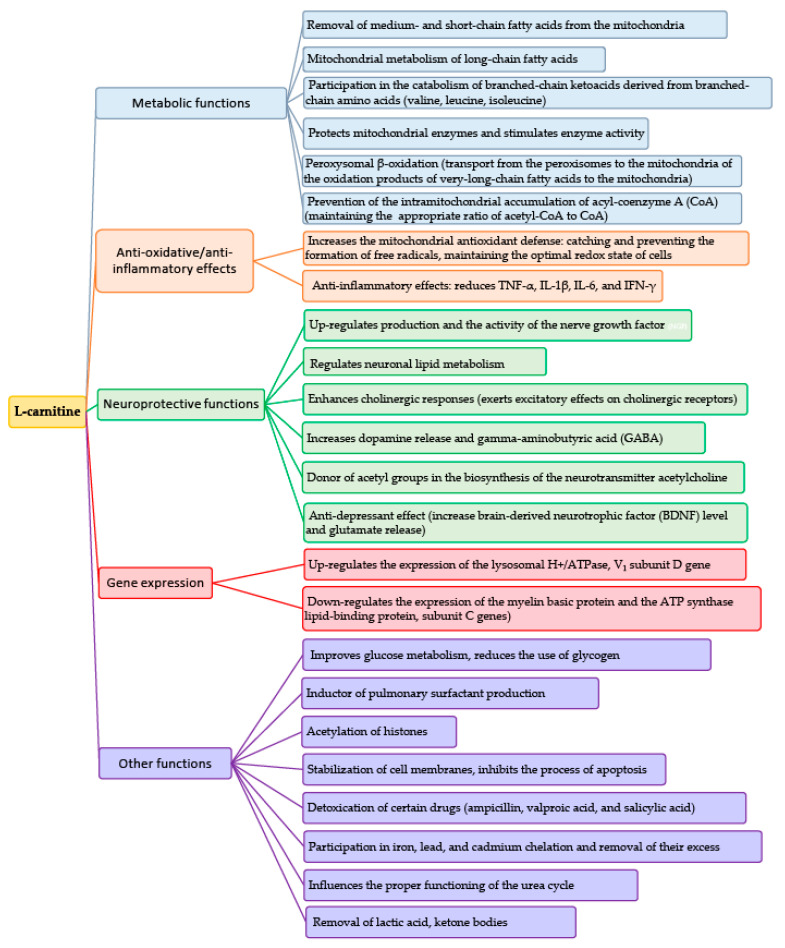
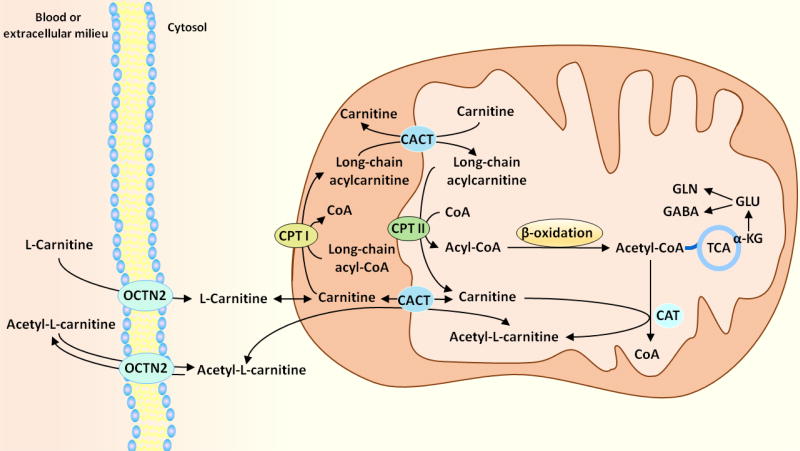
In addition, increasing plasma levels of Apo C-III, which inhibits the activity of LPL in individuals with diabetes, can reduce the catabolism of VLDL.[] Additionally, increasing the transfer of fatty acids to the liver, a common disorder in insulin-resistant diabetes, may increase the secretion of VLDL,[ , ] and also its concentration may rise by higher amounts of fatty acids and Apo B100.[] By stimulating and contributing to the decomposition of fatty acids in the mitochondria, L-carnitine can probably reduce the number of fatty acids to produce Lp (a) in patients who are likely to have high atherogenic lipoprotein production
it's undergoing a seismic expansion, transforming the landscape of metabolic disease management and creating unprecedented investment opportunities