While most patients do not experience mood changes, higher-risk groups include: History of depression, anxiety, or bipolar disorder ADHD or dopamine-sensitive conditions Very rapid weight loss Inadequate protein or electrolyte intake Poor sleep quality Lower risk is associated with: Slow dose titration Adequate nutrition Stable blood sugar Good sleep hygiene What Clinicians and Patients Can Do Before Starting a GLP-1 Screen for mood disorders Set expectations about appetite changes Discuss minimum nutrition goals During Treatment Monitor caloric intake (not just weight) Prioritize protein and hydration Watch for glucose variability Adjust dose slowly If Irritability Appears Assess nutrition first Evaluate sleep and reflux Consider dose adjustment Monitor mood over time In many cases, simple nutritional adjustments or slower titration resolve symptoms without stopping the medication
The questions were divided into four categories: how the participants desire to eat or consume food in excess before and after using GLP 1 agonists changed in response to physiological cues (hunger and satiety), external sensory cues (being physically near food, seeing food advertisements, and smelling food), situational cues (eating with others, alone, while distracted, while bored), and emotional cues (stress, positive emotions, negative emotions)
Cancer-associated fibroblasts in breast cancer: Challenges and opportunities
doi:10.1016/j.cgh.2023.03.041












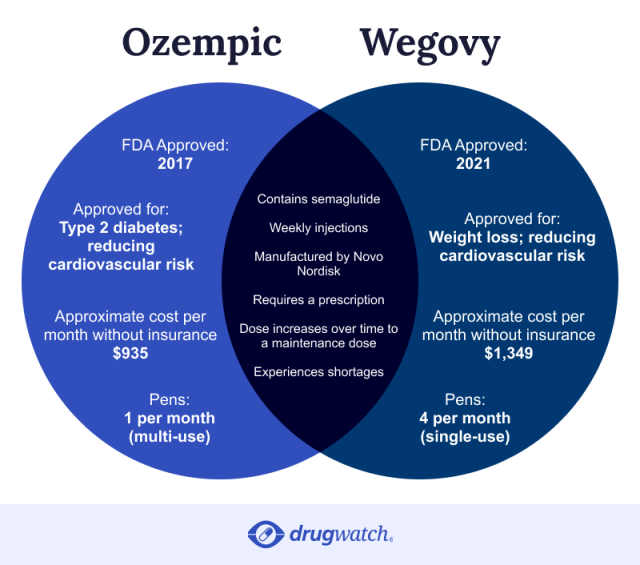
:max_bytes(150000):strip_icc()/WhatstheDifferenceBetweenOzempicWegovyandMounjaro-illo-a8f5a23fe4914586b4488472fe15f112.png)