The FDA prescribing information for tirzepatide includes specific guidance regarding oral contraceptive use, reflecting concerns about potential interactions
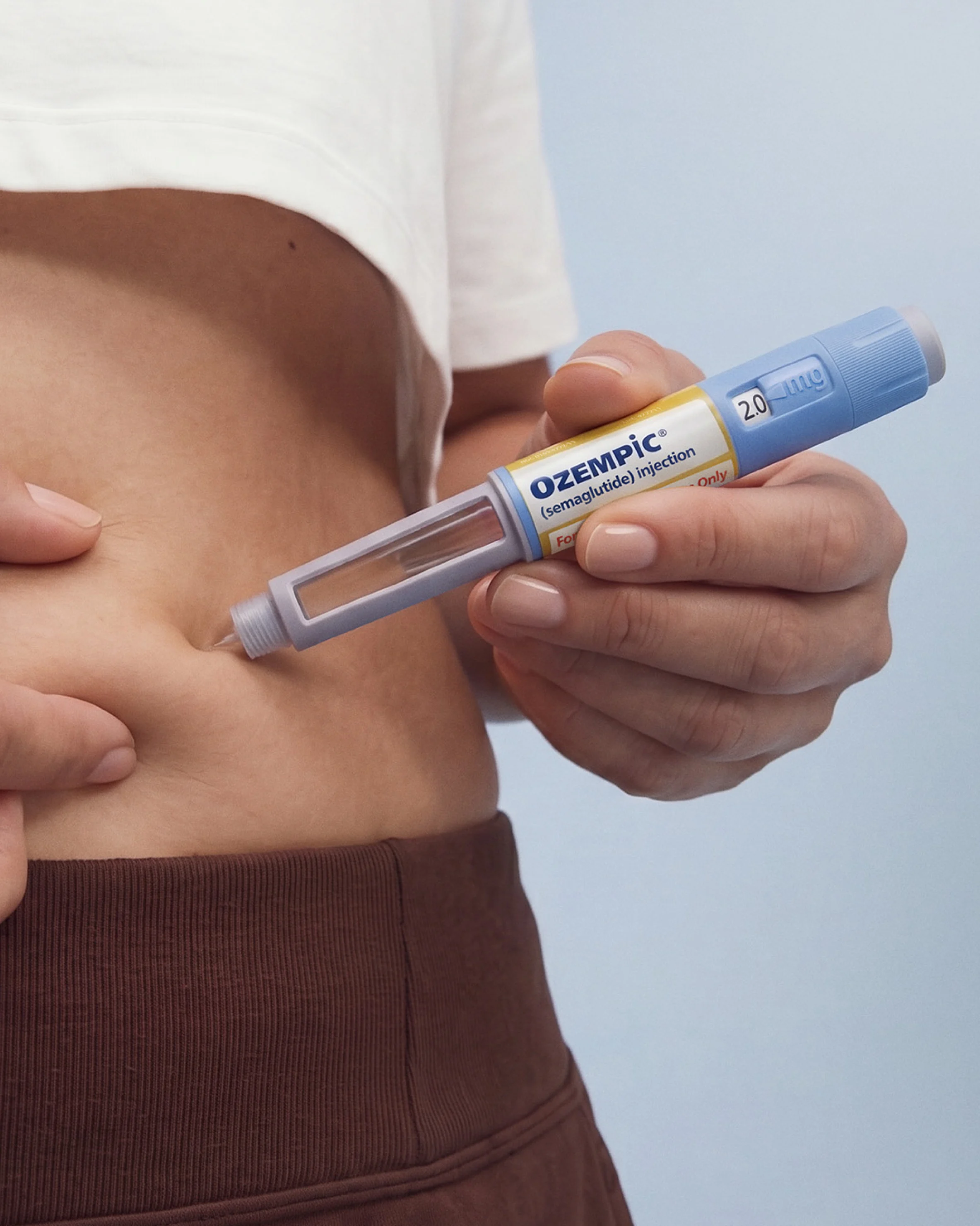
Decreased appetite was also reported in 5% of patients taking semaglutide tablets The majority of reports of nausea, vomiting, and/or diarrhea occurred during dose escalation Ozempic injection: In placebo-controlled trials, discontinuation due to GI adverse reactions was 3.1% and 3.8% for the Ozempic injection 0.5 mg and 1 mg dose, respectively, compared with 0.4% for placebo Semaglutide tablets: 4% and 8% of patients discontinued semaglutide tablets 7 mg and 14 mg, respectively, due to GI adverse reactions, compared with 1% of patients receiving placebo Rates of hypoglycemia in placebo-controlled trials 1-3 Incidence of severe hypoglycemia was 300 mg/g at baseline) were randomized 1:1 to receive Ozempic injection 1 mg (n=1767) or placebo (n=1766) once-weekly, both in addition to standard-of-care treatments, including a maximum tolerated labeled dose of a renin-angiotensin-aldosterone system (RAAS) blocking agent, including an angiotensin converting enzyme (ACE) inhibitor or an angiotensin II receptor blocker (ARB), unless such treatment was contraindicated or not tolerated
Abtahi NA, Salehi S, Naghib SM, Haghiralsadat F, Edgahi MA, Ghorbanzadeh S, et al
evidence varies widely) Tissue repair/regenerative lane (injury/wound-healing narrative