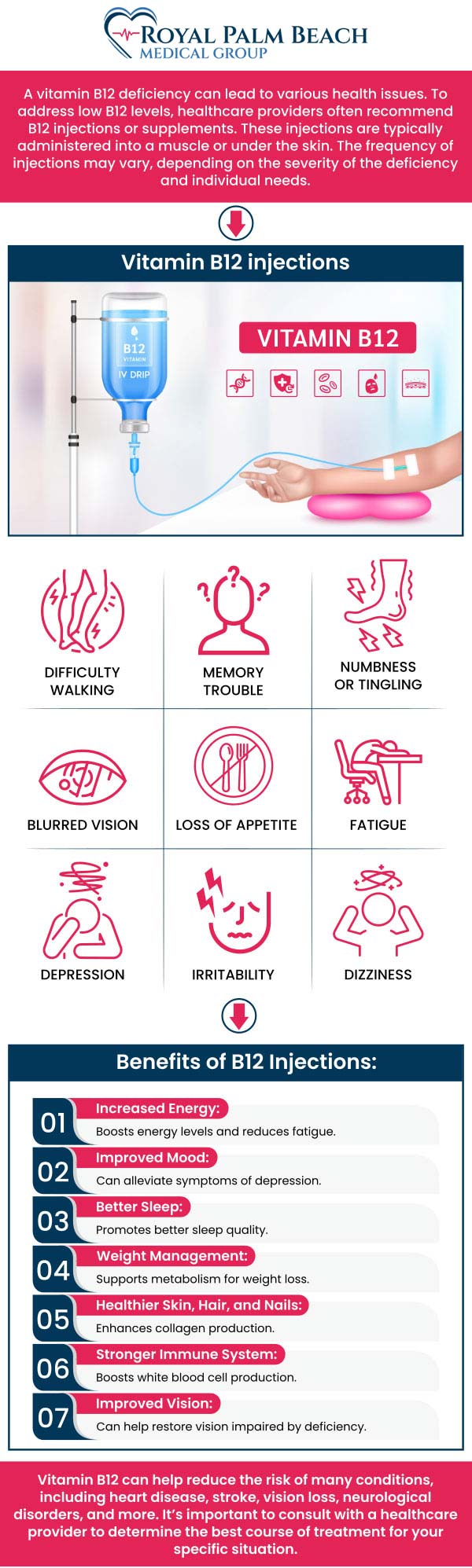
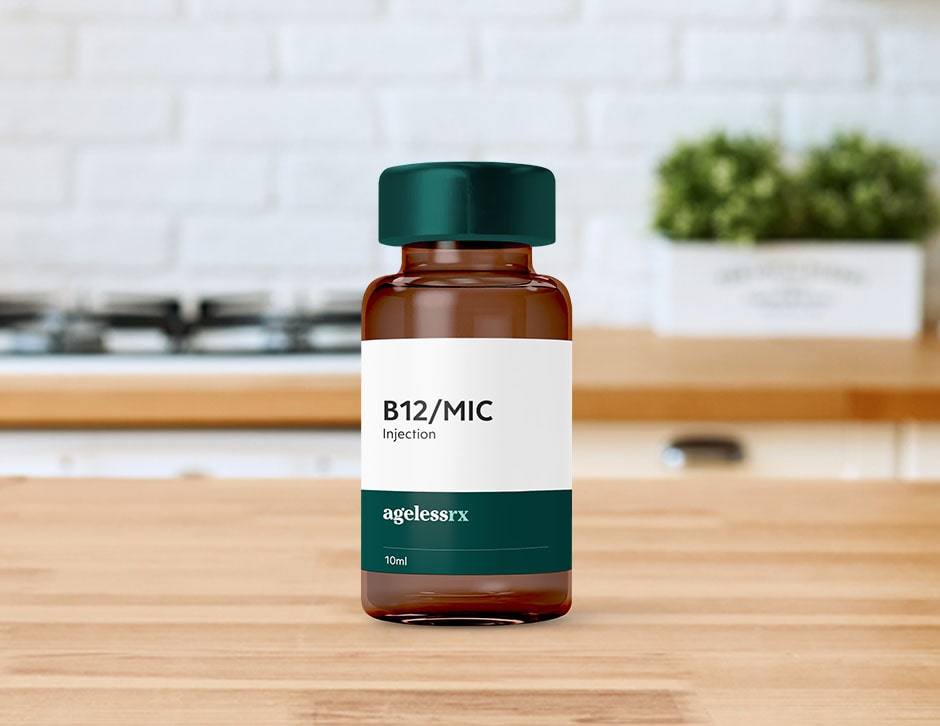
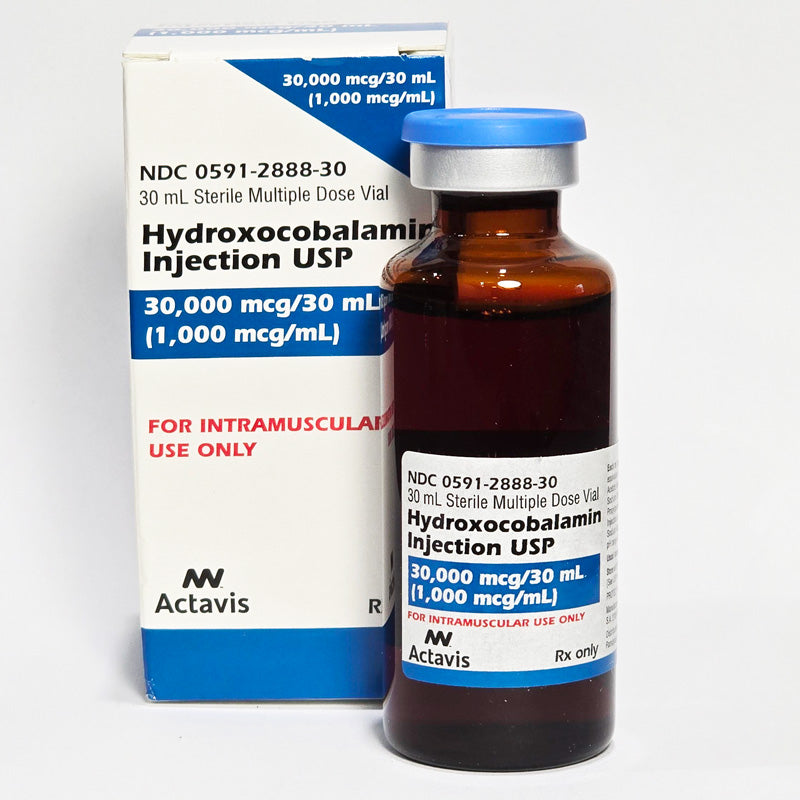
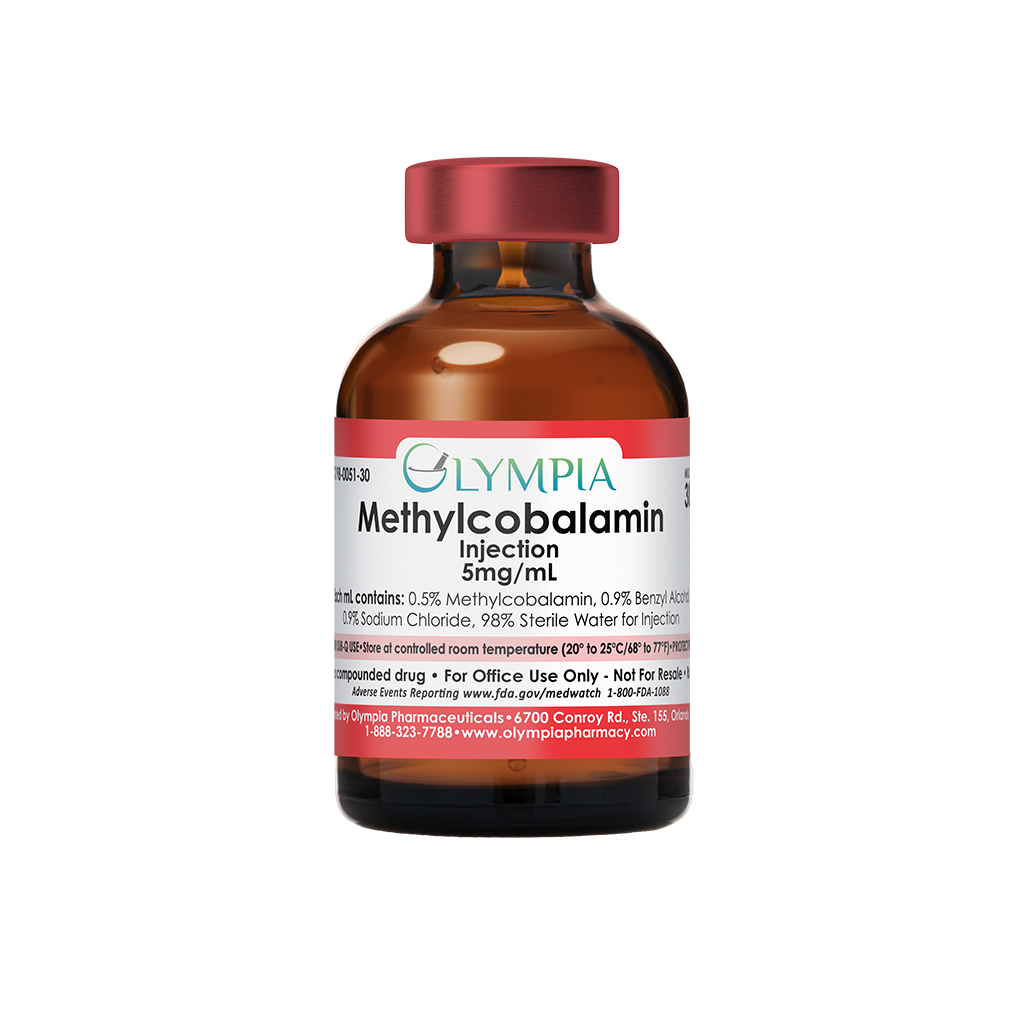
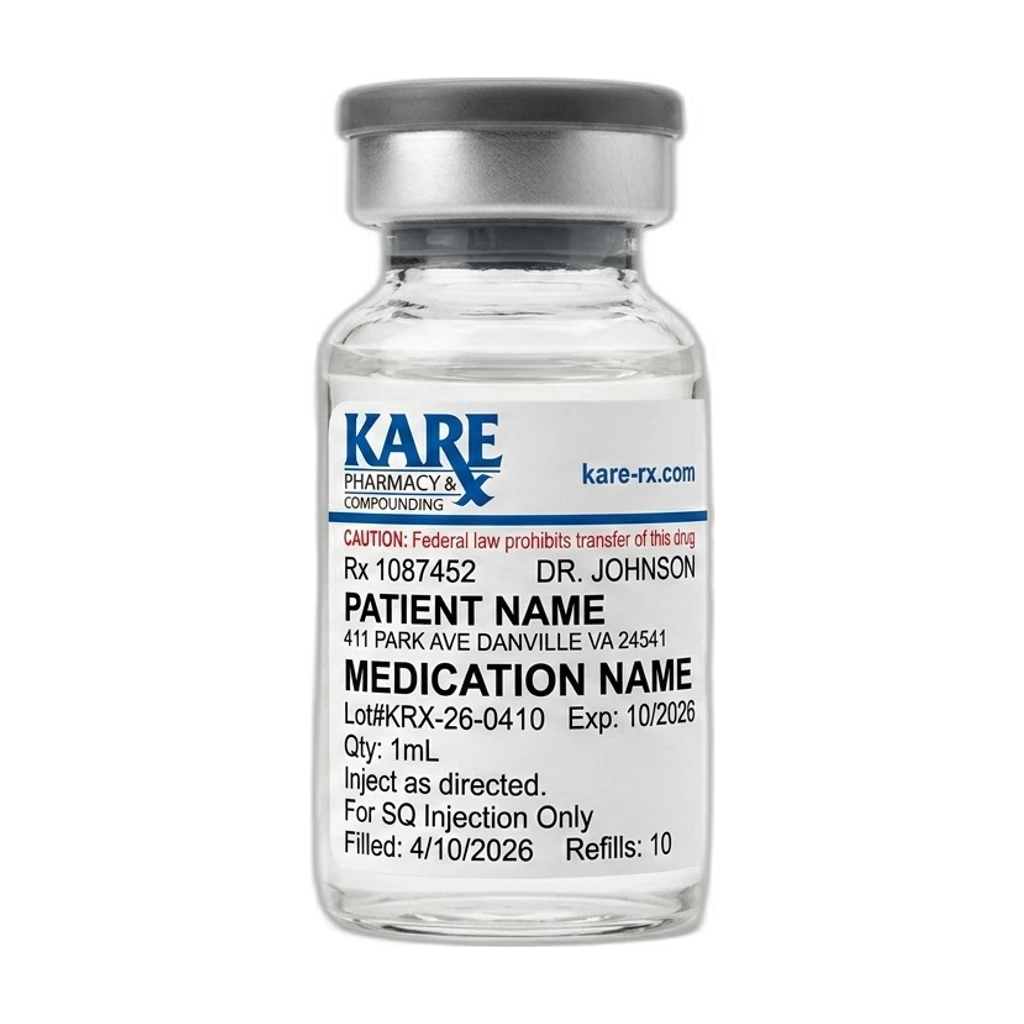
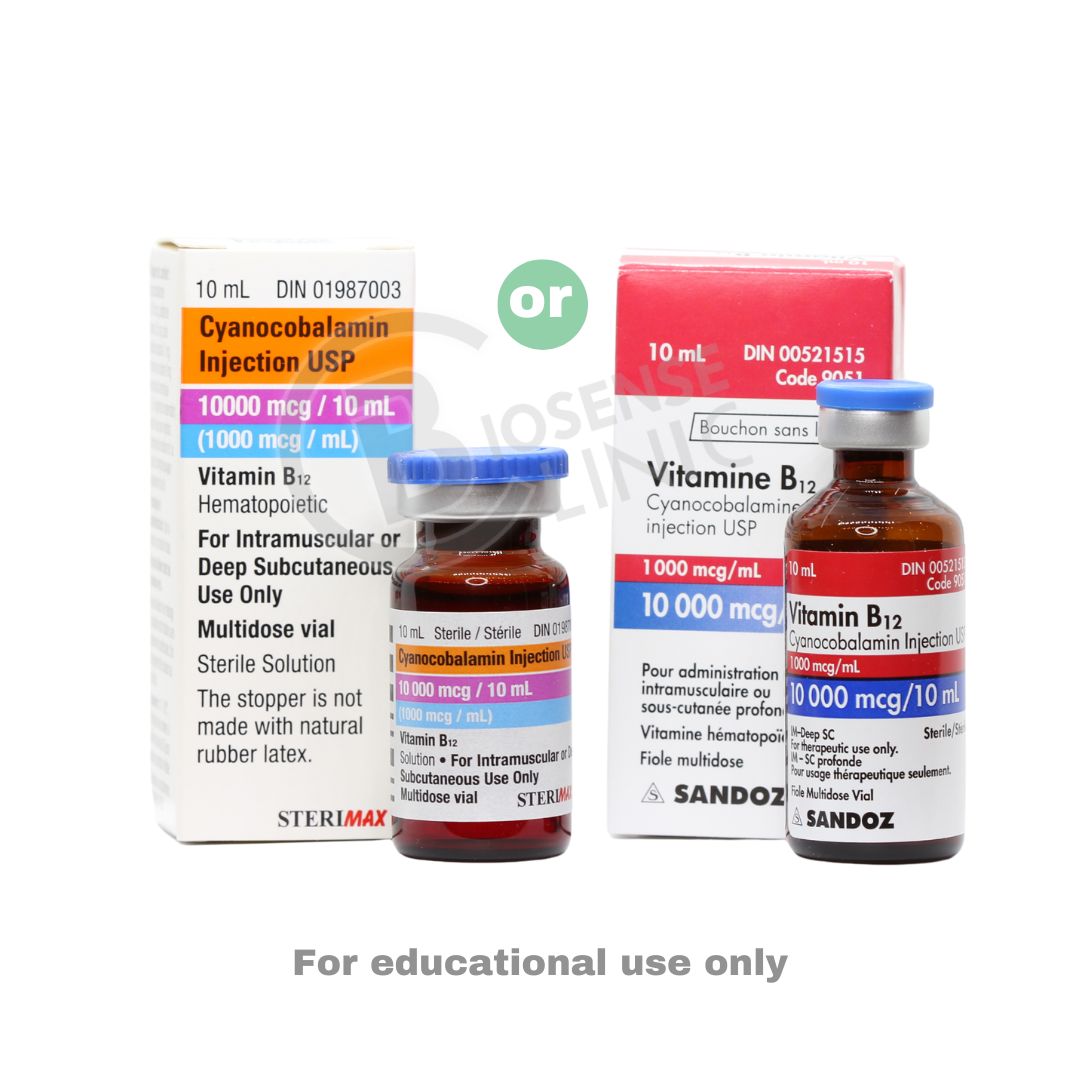
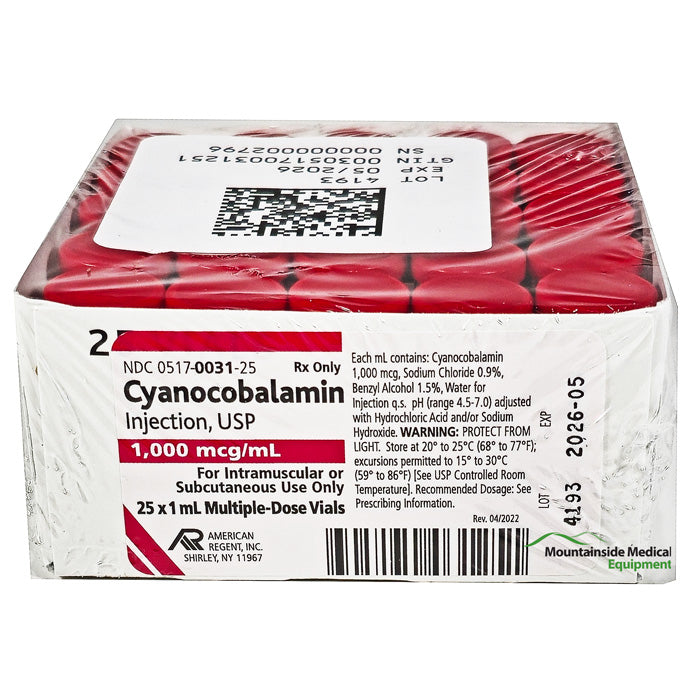
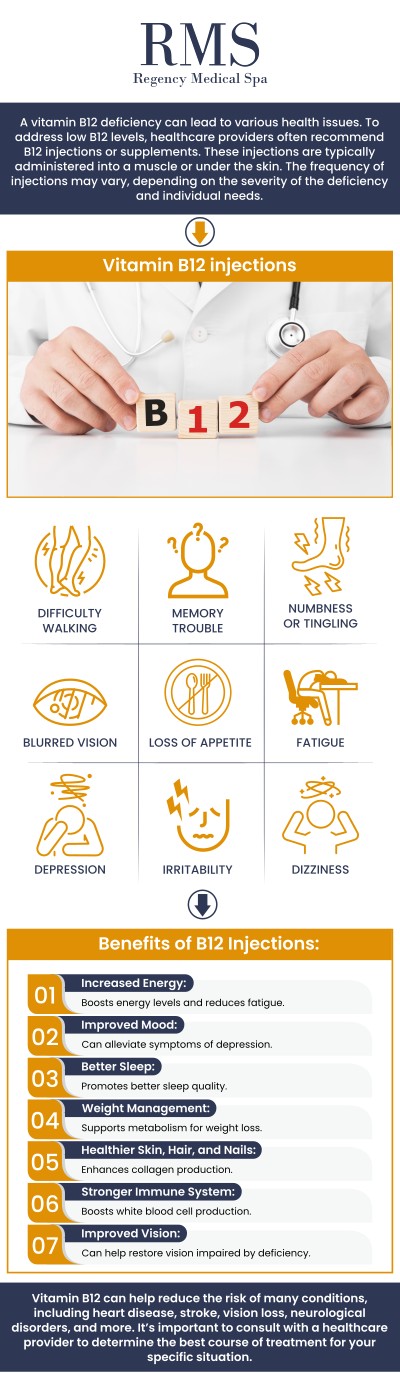
In addition, if you're one the millions of Americans taking proton pump inhibitors, known as PPI's, that suppress stomach acid for conditions like acid reflux, you're going to be prone to Vitamin B12 deficiency
People avoid processed foods and eat more whole foods, which contain less sodium
Metabolic Profile and Goals Your specific objectives with 5-Amino-1MQ should inform your timing strategy: For Weight Management: Morning fasted dosing maximizes fat oxidation Pair with strategic meal timing (intermittent fasting) Consider pre-workout administration for enhanced energy expenditure For Metabolic Health: Consistent daily timing maintains stable NNMT suppression Align with existing supplement or medication schedules Monitor biomarkers to assess optimal timing effectiveness For Athletic Performance: Pre-training administration (60-90 minutes before) may enhance energy availability Post-workout timing could support recovery and adaptation Coordinate with other performance supplements Meal Timing and Dietary Patterns The relationship between food intake and peptide absorption significantly impacts effectiveness: Fasted State Administration (Recommended): Enhanced absorption and bioavailability Minimal interference from digestive processes Amplified metabolic signaling Ideal for intermittent fasting protocols Fed State Considerations : Food may reduce absorption efficiency Protein and fat can delay gastric emptying Carbohydrates trigger insulin response Generally not recommended for optimal results Best Practice: Maintain at least a 30-60 minute buffer between 5-Amino-1MQ administration and meals
AOD 9604 may be better suited for people who Want a targeted lipolytic agent without systemic hormonal effects Have a relatively small amount of fat to lose (stubborn deposits, the last 5 to 10 pounds) Cannot tolerate gastrointestinal side effects from GLP-1 class compounds Are already lean and want incremental fat reduction without appetite suppression Have contraindications to incretin-based therapies (pancreatitis history, medullary thyroid carcinoma risk) Want to avoid the metabolic and appetite changes that come with tirzepatide Are using fat loss peptides as part of a broader stack with other compounds targeting muscle growth or anti-aging Prefer a compound with a demonstrated track record of minimal side effects, even at the cost of less dramatic results Tirzepatide may be better suited for people who Need to lose a significant amount of body weight (20 or more pounds) Have metabolic dysfunction, insulin resistance, or type 2 diabetes alongside obesity Struggle with appetite control and food-related behavior patterns that have undermined previous weight loss attempts Want an FDA-approved compound with extensive clinical validation and ongoing safety monitoring Are willing to manage GI side effects in exchange for substantial, life-changing results Need the structured dose escalation that a weekly protocol provides Want documented benefits beyond weight loss including metabolic health improvements, cardiovascular risk reduction, and improved glycemic control Have tried and failed with diet and exercise alone and need pharmacological support to achieve meaningful weight reduction For people who fall between these categories or who wonder whether they qualify for pharmacological weight loss support, the BMI guidelines for GLP-1 therapy provide a useful framework for determining whether incretin-based treatment is appropriate