Vitamin B12 toxicity from supplements is extremely rare because it is water-soluble and excess amounts are excreted through urine

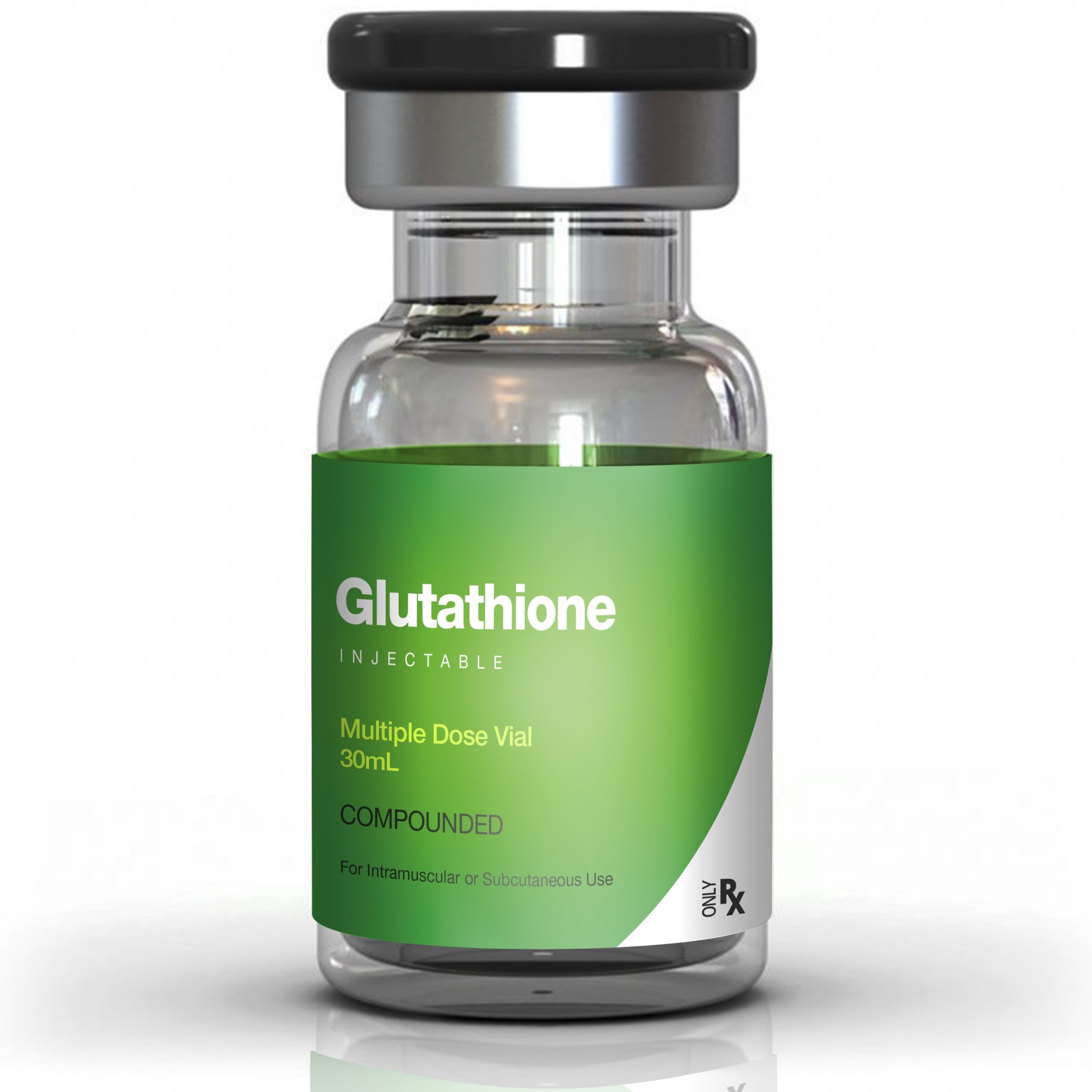
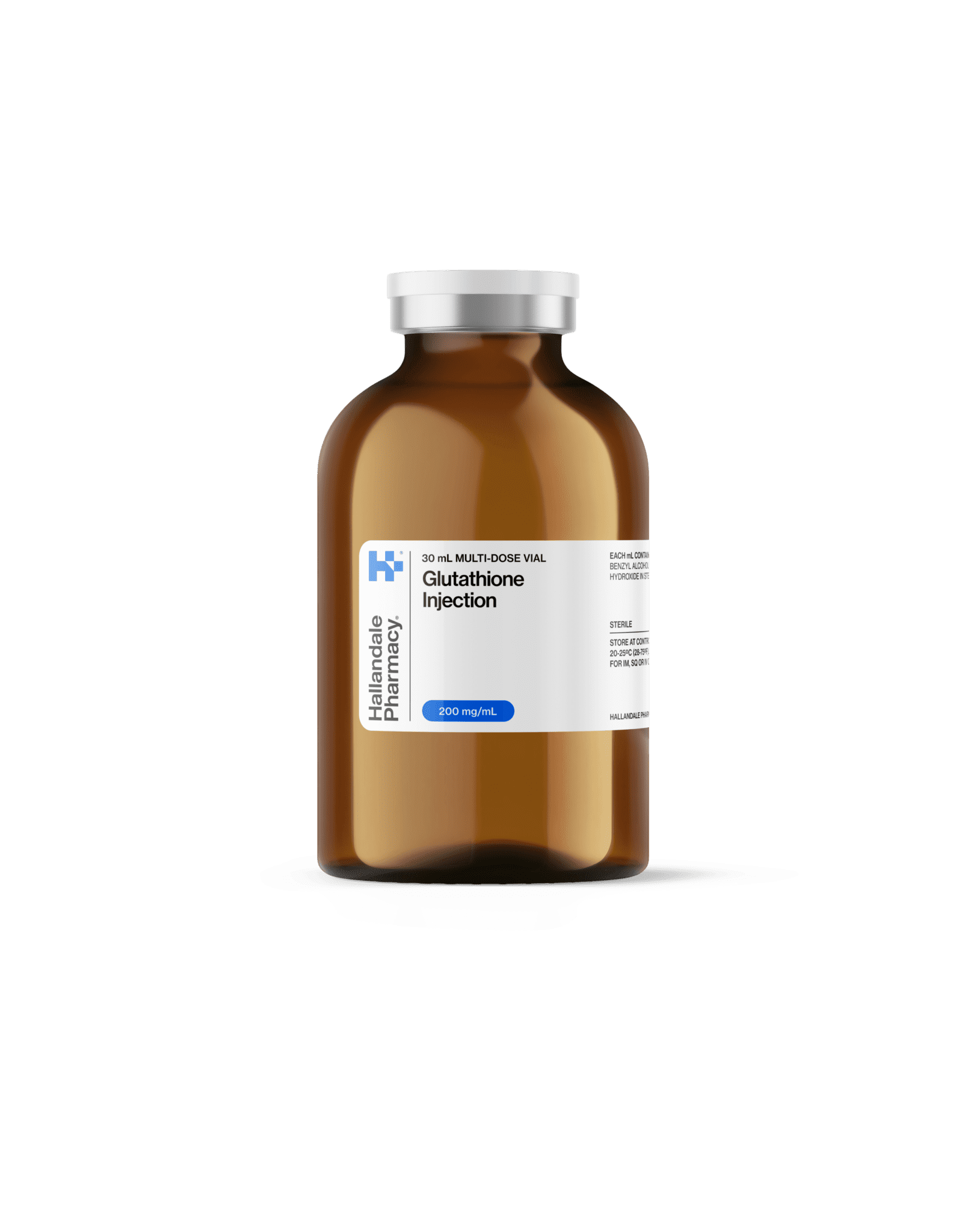
Various topical, oral, and injection-based cosmetic skin-lightening agents with different mechanisms of action are used widely across Asia, including hydroquinone, azelaic acid, kojic acid, mulberry, alpha-arbutin, beta-arbutin, glutathione, licorice root, papaya, vitamin A (e.g., retinol), vitamin B (i.e., niacinamide), and vitamin C.1,2 One of the widely used systemic agents is glutathione, which is a thiol compound and a regulator of the melanogenic pathway in humans.3 Glutathione is an antioxidant found in the human body, contributing to drug and xenobiotic detoxification.3,4 It is known to be antimelanogenic, thereby associated with melanin production.5,6 It also inhibits tyrosinase activity and melanosome transfer from melanocytes to keratinocytes.48 Overall, it is suggested that glutathione might promote pheomelanin synthesis, inhibit intracellular melanogenic enzymes, and exhibit antioxidant and anti-aging effects.3 As demonstrated in in-vitro experiments, glutathione is associated with melanogenesis
Because these two categories act through different proposed pathways, one aimed at the growth-hormone axis and the other at localized tissue repair, this pairing (a secretagogue alongside a repair peptide) is the combination most frequently described across bodybuilding peptide discussions, with the secretagogue framed as supporting muscle and recovery capacity and the repair peptide framed as supporting the joints and connective tissue that sustain harder training

Speakers: Ms Jennifer Jiang (HafenCity University Hamburg (HCU)), Dr Domokos Esztergr-Kiss (HUN-REN Institute For Computer Science And Control (SZTAKI), Department of Transport Technology and Economics (KUKG), Faculty of Transportation Engineering and Vehicle Engineering (KJK), Budapest University of Technology and Economics (BME)) 234 The role of New Working Spaces in the context of the 15-minute city: insights from Greek case studies Urban areas face challenges like climate change and socioeconomic crises, necessitating innovative planning