Common symptoms of a lower urinary tract infection (cystitis) include: A persistent, strong urge to urinate A burning sensation or pain when passing urine (dysuria) Passing frequent, small amounts of urine Cloudy, dark, or strong-smelling urine Blood in the urine (haematuria), which may appear pink or red Pelvic discomfort or pressure, particularly in women A feeling of incomplete bladder emptying Upper urinary tract infections (pyelonephritis) , affecting the kidneys, are more serious and may present with additional symptoms such as high fever, chills, nausea, vomiting, and pain in the back, side, or groin
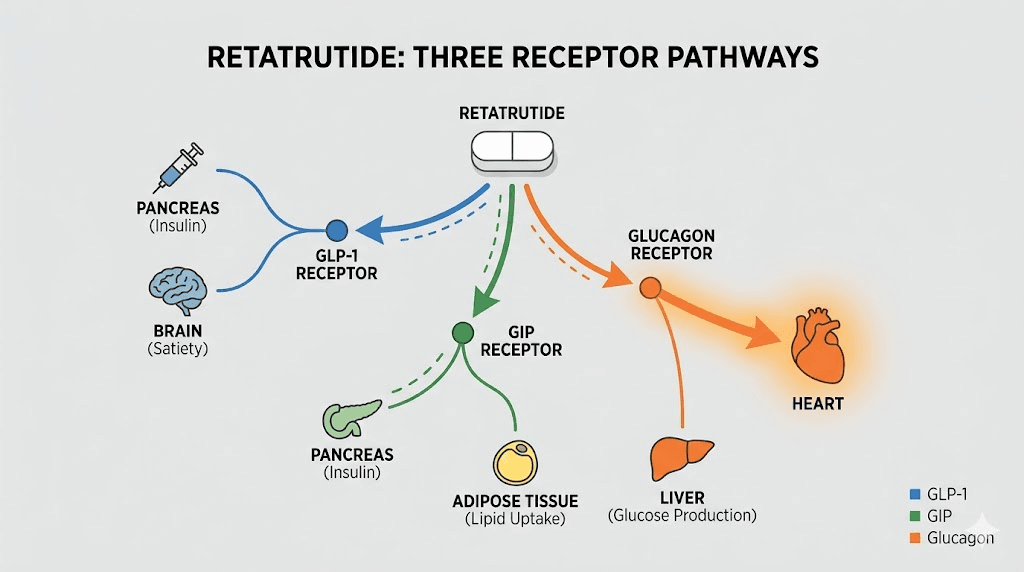
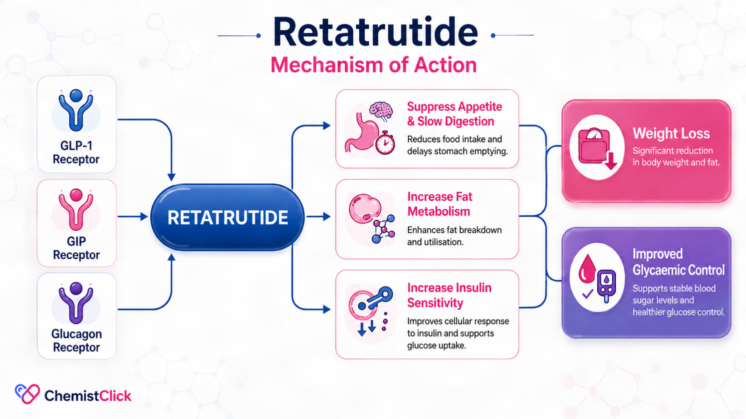
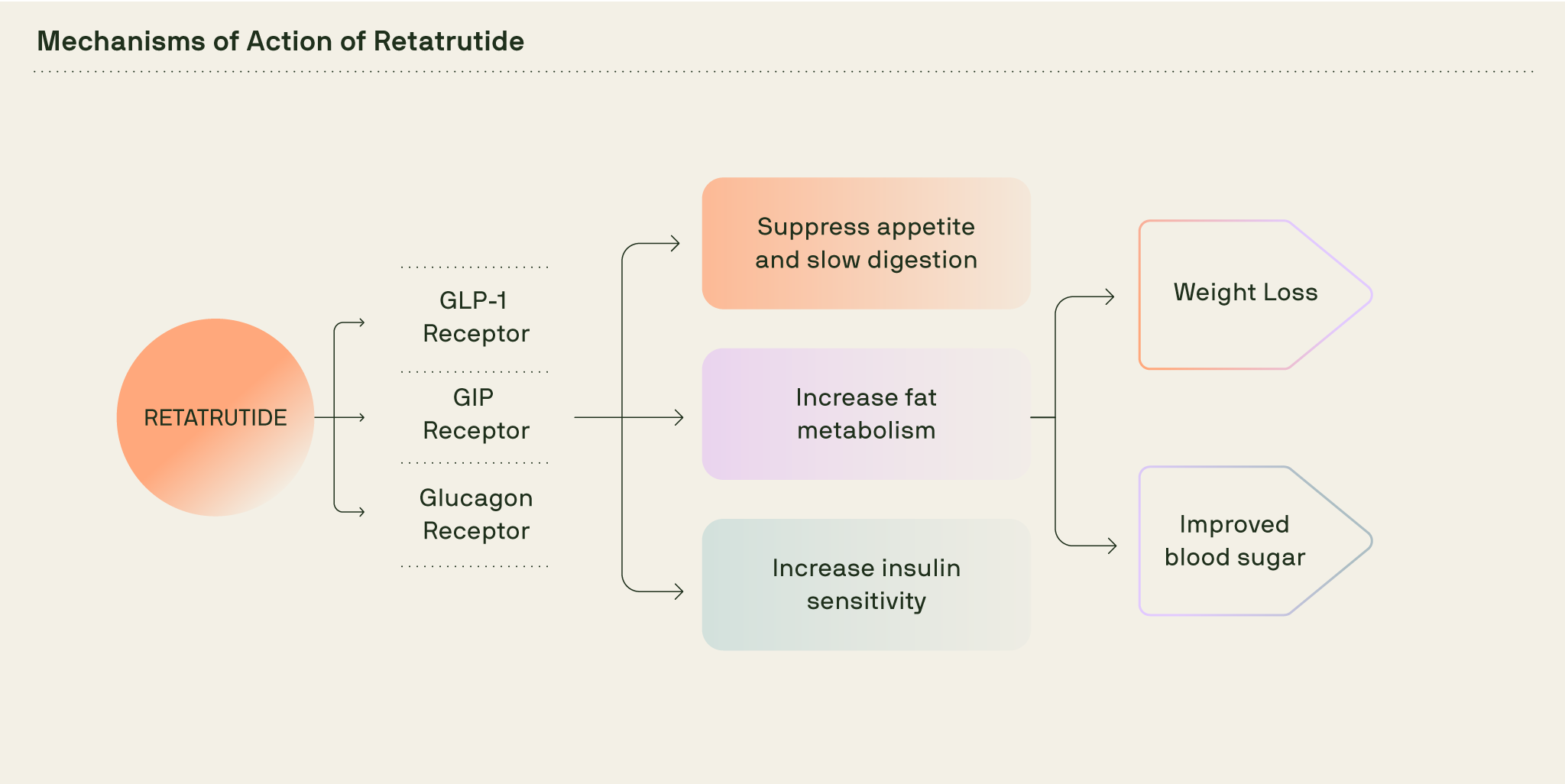
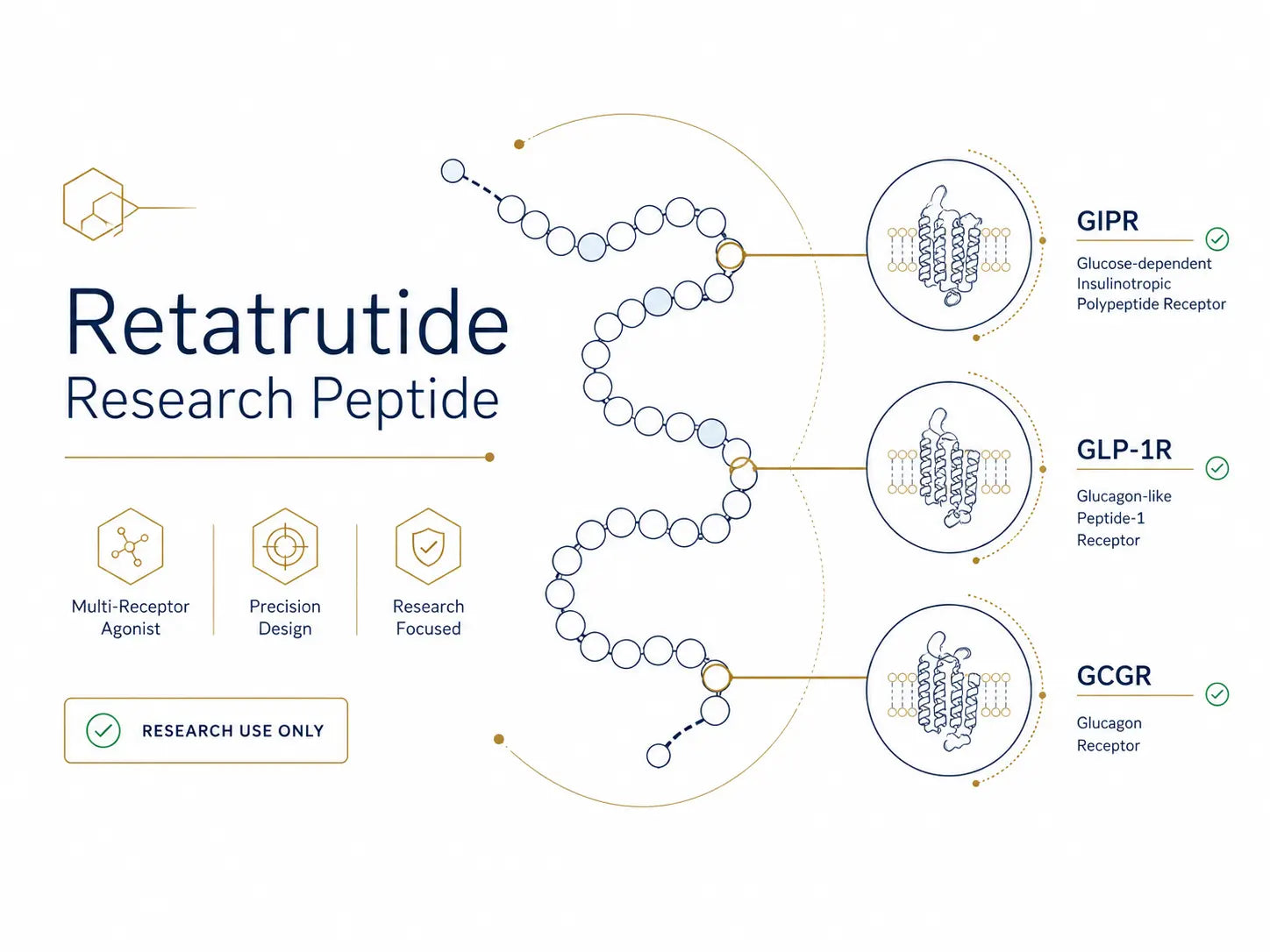
These receptors include: GLP-1 (Glucagon-Like Peptide-1) receptor GIP (Glucose-Dependent Insulinotropic Polypeptide) receptor Glucagon receptor Because it stimulates all three receptors simultaneously, Retatrutide is known as a triple receptor agonist
The Impact on Healthcare The ability of 503B outsourcing facilities to produce high-quality GLP-1 medications at lower prices has several positive implications for the healthcare system: Increased Accessibility: Lower drug prices mean that more patients can afford essential medications, improving access to treatment for those with diabetes and obesity
Collectively, these results suggest that exogenous GSH confers Hg tolerance by relieving heavy metal-induced oxidative stress