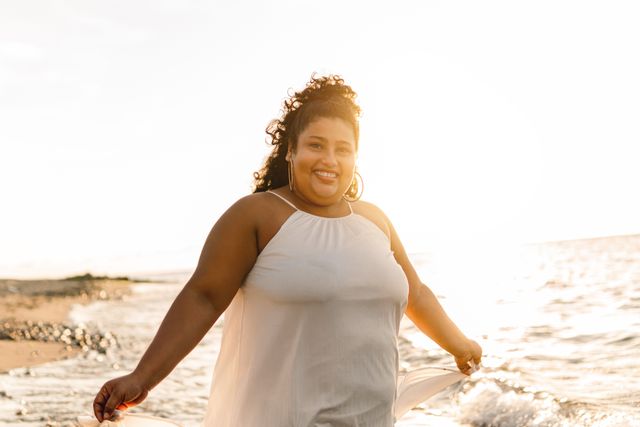
Body contouring after weight loss typically involves one or more of the following: Abdominoplasty (tummy tuck after Ozempic or similar medications): Addresses loose skin and weakened abdominal muscles, particularly after significant midsection weight loss Lower body lift: The most common procedure for this patient population, targeting the abdomen, hips, outer thighs, and buttocks circumferentially Brachioplasty (arm lift after weight loss): Removes excess skin along the inner upper arm Thigh lift : Corrects laxity along the inner or outer thighs Breast lift or augmentation : Restores projection and volume lost during weight reduction Fat transfer: Addresses volume loss in the face or breasts using the patients own fat Energy-assisted skin-tightening options such as Renuvion can also be incorporated for patients with moderate laxity who prefer a less invasive approach
A balanced discussion with your OB/GYN, pediatrician, and primary care provider should weigh the risks of delaying metabolic treatment against the theoretical risks of GLP-1 exposure during lactation
SubMagna is sold by the Professional Compounding Centers of America (PCCA), which conducted proof-of-concept studies showing that, when added to semaglutide, it was absorbed by human oral tissues in a lab dish and was detectable in the blood plasma of mice after administration
Menopause* is marked by the end of menstrual cycles as the ovaries stop releasing eggs