Is there a difference in eligibility between GLP-1s for weight loss versus for diabetes

You may lean toward injections if: You are managing a chronic or complex condition Long-standing oxidative stress, autoimmune disorders, or significant toxin exposure Need for aggressive antioxidant support under medical supervision You have clear systemic or aesthetic goals Skin brightening, hyperpigmentation, and overall complexion benefits Recovery after major illness, surgery, or chemotherapy You need controlled, high-dose delivery Significant nutrient deficiencies where oral or intranasal routes have not been sufficient Situations where your clinician also uses NAD boosters, vitamin B12 injections, or other IV nutrients You prefer periodic, supervised care Comfortable scheduling clinic visits and following a structured protocol Want direct monitoring of how you respond and how dosages should be adjusted You are not a good candidate for nasal therapies Frequent severe nosebleeds, nasal structural issues, or chronic congestion that prevents reliable intranasal absorption Past reactions to intranasal products like glutathione, NAC, or melatonin sprays Even if you primarily use injections, your clinician may still recommend non-invasive tools such as glutathione nasal spray , NAD nasal spray , or kanna nasal spray theanine between sessions for ongoing support

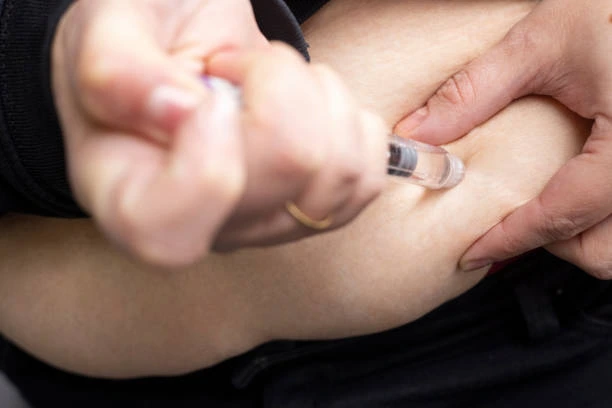
They may include slight soreness at the injection site, mild flushing, or temporary digestive changes
Further analysis was conducted to understand the potential mechanisms through which thymic peptides may influence immune exhaustion markers and cytokine levels