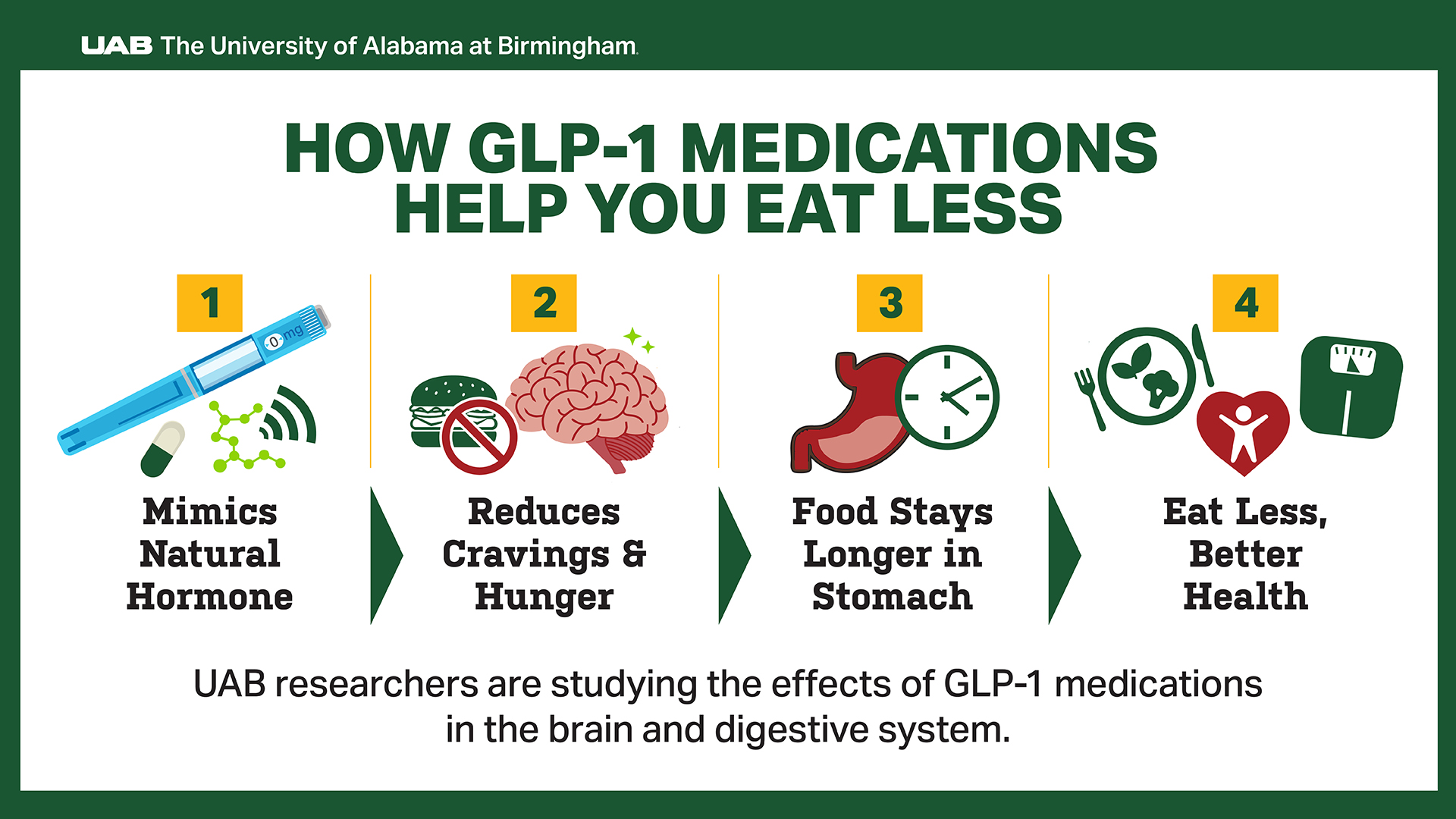
doi: 10.1016/j.nutres.2020.12.001 Summary Keywords FODMAP, IBS, GLP-1, incretins, gut microbiota, brain-gut Citation Khan U, Brnstad I, Hillestad EMR, Steinsvik EK, Hausken T, Berentsen B and Lied GA (2025) Increase in circulating GLP-1 following low FODMAP diet in irritable bowel syndrome patients
When mast cells are activated in response to progesterone, the resulting histamine surge helps explain many of the hallmark features of APD, including: Hives (urticaria) caused by histamine-induced blood vessel dilation Intense itching (pruritus) driven by histamine signaling in the skin Angioedema , or deeper swelling beneath the skin and mucous membranes Asthma-like symptoms or shortness of breath , due to histamines effects on airway smooth muscle This mast cellhistamine connection also clarifies why treatments that target allergic pathways are often effective in APD, even though progesterone is a hormone rather than a classic allergen
Glutathione also plays a pivotal role in biotransformation, binding non-excretable substances and rendering them water-soluble for elimination through the kidneys
[3] This breadth is directly relevant to understanding MK-677s side-effect profile a compound that engages the ghrelin receptor is not a clean GH tool but a broad ghrelin-system agonist, which is precisely why appetite stimulation and metabolic shifts appear alongside the intended GH/IGF-1 rise