Even just getting in and out of your car in wet shoes can cause an odour to build up over time

And according to a 2021 report into vaping from PHE: Smoking prevalence (including those who smoked sometimes or more than once a week) in March 2020 was 6.7% (compared with 6.3% in March 2019) and has changed little since 2015 when it was 7.1% There was little change in levels of vaping over the last few years with current vaping (at least once per month) prevalence being 4.8% in March 2020, the same as in March 2019 Smoking prevalence is at 6.2% (defined as smoking more than 100 cigarettes in their life and having smoked in the past 30 days) Current vaping prevalence is at 7.7% (defined as vaping on more than 10 days in their lifetime and having vaped in the past 30 days) Based on the socioeconomic status of 11 to 18 year olds, the estimates for smoking and vaping prevalence were higher among more advantaged groups in social grades A, B and C1 (7.1% for smoking, 5.3% for vaping) than for more disadvantaged groups in social grades C2, D and E (5.7% for smoking, 3.5% for vaping)
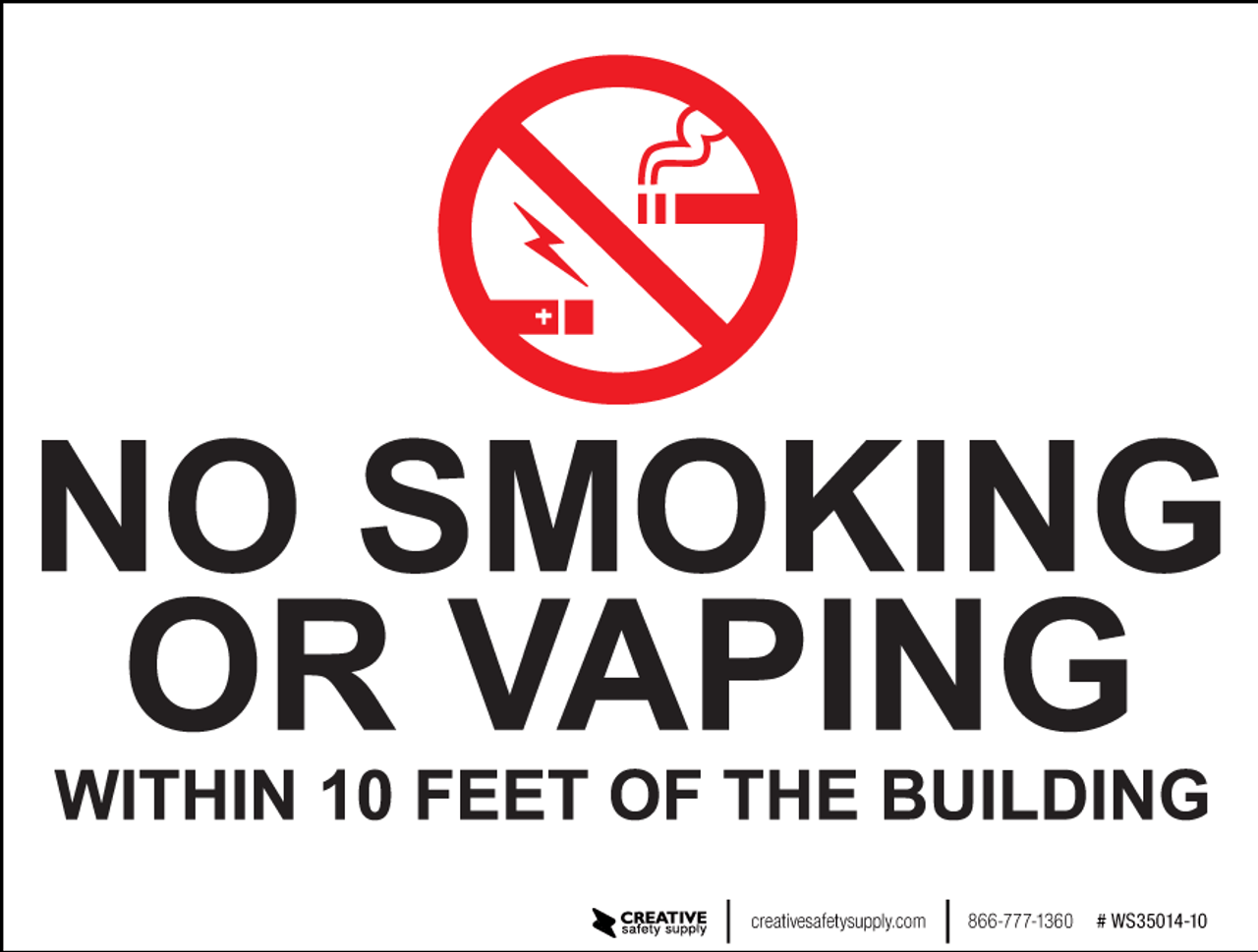
Meanwhile, adults aged 45 and over largely preferred cigarettes only, reporting the lowest percentages of e-cigarette use or dual use.
Several studies have found that, while some hemp products like CBD or CBG do not trigger positive drug tests, products that have small amounts of Delta-9-THC, even well below the legal limit of 0.3%, can cause a consumer to fail a drug test by testing positive for THC