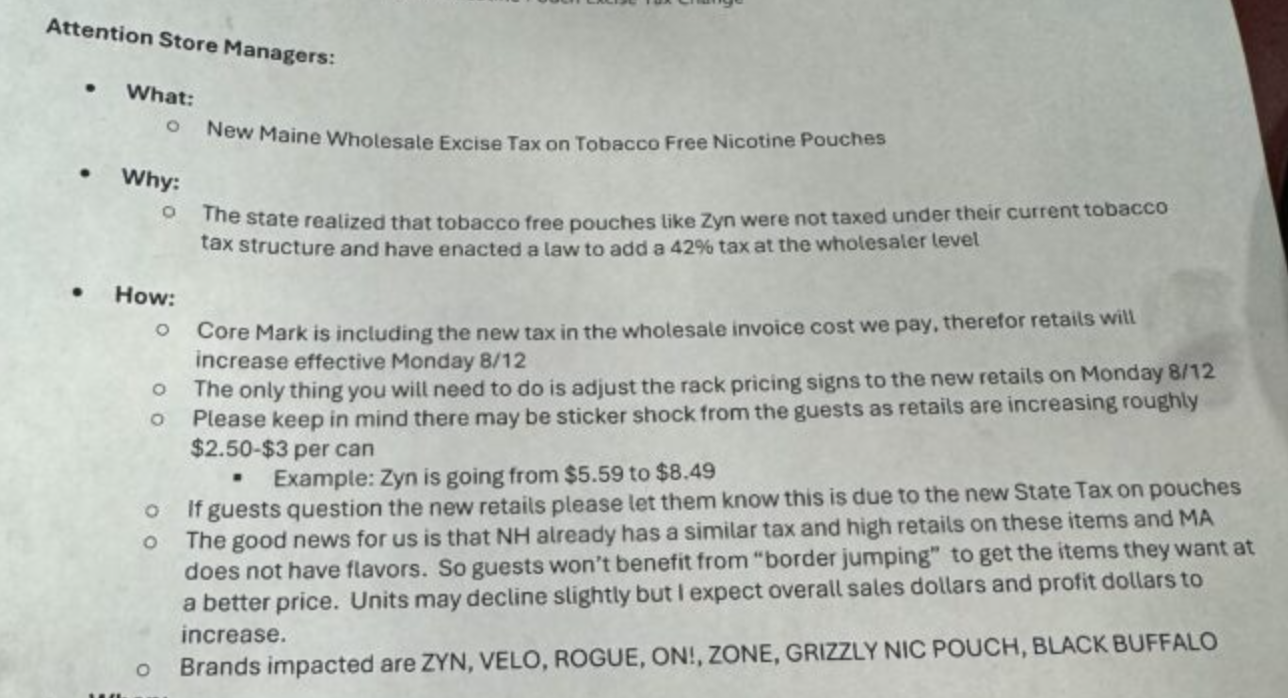
Three studies, published in 2013, 2015, 2019 all estimated a national, upper-bound limit for smuggling (or tax evasion and avoidance or non-compliance) at 21%.[69] Much of the related literature employs empirical models of representative consumer demand, including such variables as cigarette price, tourism, income, race, religious affiliation and other demographic variables, in addition to the primary variables of interest: tax (or price) differentials
assist in laboratory approvals at the state and federal levels
Tobacco control activists had demonstrated that they could create the kind of public pressure it takes to leverage legislative behavior and, over time, impaired the ability of the tobacco industry to control the Legislature
"There was a buzz in the office, and they were doing great work